Herbal Supplements For A Healthier Life
R490.00 Incl. VAT
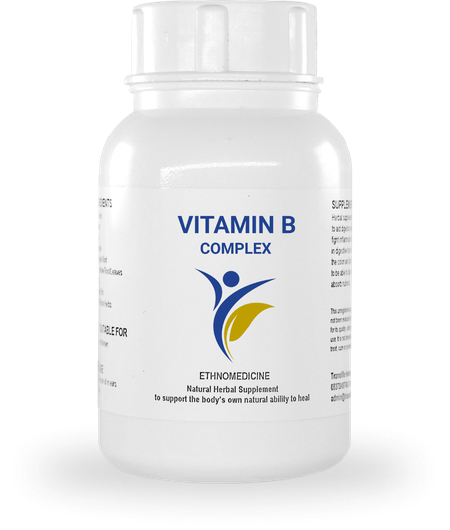
This Vitamin B Complex supplement combines essential B-vitamins with supportive minerals and antioxidants that contribute to normal cellular energy production and healthy nervous-system function. B-vitamins play a central role in converting food into usable cellular energy (ATP) and supporting nerve signaling between the brain and body. Together with magnesium and zinc, the formula helps maintain steady energy levels and balanced nervous-system performance during daily demands.
This high-potency Vitamin B Complex supplement is formulated to support normal energy metabolism, healthy nervous-system function, and steady mental and physical performance.
Adults: Take 1 capsule twice daily with food, preferably morning and early afternoon.
(Because B-complex late at night can affect sleep in some people.)
Two capsules daily provide high-potency B-complex vitamins that support normal cellular energy production and healthy nervous-system function.
B-vitamins help convert food into usable energy (ATP), supporting steady physical and mental performance throughout the day.
Taking on an empty stomach may cause mild stomach discomfort in sensitive individuals and can feel stimulating for some people.
Taking it with food helps improve tolerance and supports smoother absorption.
Ingredients as traditionally used for this supplement.
Alfalfa
Black Pepper
Boron
Choline
Co Enzyme Q10
Folic Acid
Gingko Biloba
Ginseng
Grape seed
Inositol Vit B8
Magnesium
Manganese
Vit B1,B2,B5,B6,B7,B12,C,E
Zinc
Other amino acids & herbs
Per 500 mg capsule active ingredients:
| Boron | .626mg |
| Chromium ACC | 0.0175mg |
| Copper | .0760mg |
| Folic Acid | 0.2mg |
| Iron | .0933mg |
| Magnesium | 8.0132mg |
| Manganese | .6444mg |
| Potassium | 1.890mg |
| Selenium AAC | 0.0226mg |
| Vitamin B1 | 23.835mg |
| Vitamin B12 | 0.0231mg |
| Vitamin B3 | 14.840mg |
| Vitamin B5 | 44.506mg |
| Vitamin B6 | 32.267mg |
| Vitamin C | 13.850mg |
| Vitamin E | 3.4625mg |
| Zinc Ascorbate | 5mg |
For educational purposes only!
Vitamin B Complex does more than just ‘B’s
Together they support the three core systems your supplement targets:
B1 + CoQ10 + Magnesium
→ convert nutrients into ATP energy
B6 + Magnesium + Choline
→ maintain balanced neurotransmitter activity
B12 + Folate + Choline
→ support DNA repair, detoxification and nerve maintenance
How the Rest of our Ingredients Support Them
Many of your other ingredients act as support amplifiers, for example:
They help the core nutrients work more efficiently.
✅ In simple terms:
Our formula is built around nutrients that support cellular energy production and nervous-system communication, while the botanical extracts and cofactors help maintain balance and protection of these pathways.
Alfalfa: Natural source of B-vitamins supporting cellular energy, detoxification, and red-blood-cell formation.
Alfalfa: Provides natural phytonutrients and trace nutrients that support normal cellular metabolism and assist the body’s B-vitamin–dependent energy processes, helping maintain steady vitality.
Black Pepper: Supports improved nutrient absorption, helping the digestive system optimize the availability of B-vitamins and key metabolic nutrients.
Boron: Contributes to mineral balance and supports enzymatic activity involved in normal energy production and B-vitamin utilization.
Choline: Supports normal liver function and methylation processes, and contributes to acetylcholine production for healthy nervous-system communication.
Co-Enzyme Q10: Supports mitochondrial ATP production inside cells, complementing B-vitamin energy pathways and helping maintain physical and mental stamina.
Folic Acid (Vitamin B9): Contributes to normal DNA synthesis and red-blood-cell formation, working with other B-vitamins to support healthy cellular renewal.
Ginkgo Biloba: Supports healthy cerebral circulation, assisting oxygen and nutrient delivery to brain tissue for normal cognitive function.
Ginseng (Panax): Supports normal physical and mental performance during periods of stress, complementing the body’s natural energy metabolism.
Grape Seed Extract: Provides antioxidant support that helps protect blood vessels and cellular structures involved in circulation and energy delivery.
Inositol (Vitamin B8): Supports normal neurotransmitter signaling and works with the B-complex in maintaining nervous-system balance and metabolic function.
Magnesium: Essential cofactor for hundreds of enzymes, including those activated by B-vitamins, supporting normal nerve transmission, muscle function, and energy production.
Manganese: Contributes to mitochondrial enzyme systems and antioxidant defense, supporting normal metabolic and connective-tissue function.
Vitamin B1 (Thiamine): Contributes to normal carbohydrate metabolism and supports healthy nerve conduction and energy release.
Vitamin B2 (Riboflavin): Supports cellular energy production and assists antioxidant pathways that protect metabolically active tissues.
Vitamin B5 (Pantothenic Acid): Contributes to the formation of coenzyme A, essential for normal adrenal function and energy metabolism.
Vitamin B6 (Pyridoxine): Supports normal neurotransmitter synthesis and homocysteine metabolism, contributing to nervous-system balance.
Vitamin B7 (Biotin): Contributes to normal macronutrient metabolism and cellular energy production.
Vitamin B12 (Cobalamin): Supports normal nervous-system function and contributes to healthy red-blood-cell formation.
Vitamin C: Provides antioxidant support and assists in maintaining normal immune and cellular function during metabolic activity.
Vitamin E: Supports protection of cell membranes from oxidative stress generated during energy production.
Zinc: Contributes to normal enzymatic activity involved in metabolism, immune function, and cellular repair.
Not suitable for pregnant or breastfeeding women.
Not recommended for children under 12 years
If taking anticoagulant, antiplatelet, or anti-epileptic medication, consult a healthcare professional before use.
Protect from sunlight.
Store below 25°c.
Practitioner’s Technical Info
For educational purposes only!
The Common Mistake in Most B-Complex Supplements
Most commercial B-complex products do one thing only:
They add very high doses of B-vitamins but no metabolic cofactors.
Example of typical products:
| Ingredient | Dose |
| B1 | 50–100 mg |
| B2 | 50 mg |
| B3 | 50 mg |
| B5 | 50–100 mg |
| B6 | 50 mg |
| B12 | 500–1000 mcg |
But they lack supporting nutrients.
Why That Is a Problem
B-vitamins do not work alone.
They act as enzyme cofactors, meaning they must attach to enzymes that also require:
Without these, the B-vitamins cannot complete the metabolic reaction efficiently.
This can cause people to feel:
What our Formula Does Differently
Our formulation contains the full metabolic support network.
| Nutrient | Role |
| Magnesium | activates hundreds of metabolic enzymes |
| Zinc | stabilizes enzyme structure |
| Manganese | mitochondrial enzyme support |
| Selenium | antioxidant enzyme systems |
| Ingredient | Function |
| CoQ10 | electron transport chain |
| Alpha Lipoic Acid | mitochondrial antioxidant |
| Carnitine | fatty-acid transport into mitochondria |
These help B-vitamins actually produce ATP energy.
| Ingredient | Function |
| Inositol | nerve membrane signaling |
| Taurine | neuronal stability |
| Glycine | calming neurotransmitter |
| L-Theanine | regulates excitatory signals |
This prevents the overstimulated feeling high-dose B-complex products can cause.
| Ingredient | Function |
| Ginkgo | cerebral circulation |
| Grape seed | vascular antioxidant |
| Rhodiola | stress adaptation |
This improves delivery of nutrients to cells and brain tissue.
The Result
Our formulation becomes a systems-based energy formula, not just a vitamin pill.
Instead of only supplying vitamins, it supports:
1️⃣ Energy production (ATP)
2️⃣ Nervous system balance
3️⃣ Methylation pathways
4️⃣ Circulation and oxygen delivery
5️⃣ Antioxidant protection
Why This Matters for the User
Typical B-complex products often feel like:
Our formula is more likely to feel like:
A Small Thing We Did Very Right
Our formula also includes adaptogens + amino acids + minerals.
Very few B-complex products include:
These help regulate the stress-energy response of the nervous system.
✅ In simple terms:
Most B-complex supplements supply only the vitamins.
Our formula supports the entire metabolic system those vitamins operate in.
What Is the Function of a High-Potency Vitamin B Complex?
A high-potency Vitamin B Complex supports normal cellular energy production and nervous-system function when metabolic demand is increased. B-vitamins act as essential cofactors in enzyme systems that convert carbohydrates, fats, and proteins into usable cellular energy (ATP).
At higher levels, they help maintain steady metabolic activity, support normal nerve signaling, and assist the body during periods of stress, fatigue, or increased physical and mental workload.
In Simple Terms
A high-strength B-complex helps:
Why Higher Potency?
Standard RDA levels prevent deficiency.
Higher-potency levels are often used to support normal metabolic function during times of increased demand — such as stress, intensive work schedules, or high physical activity.
How This Formula Is Designed to Work?
This high-potency Vitamin B Complex is formulated to support multiple metabolic pathways at the same time. The B-vitamins act as essential enzyme cofactors in energy production (ATP synthesis), neurotransmitter formation, and cellular repair processes.
Supportive minerals such as magnesium and zinc help activate these pathways, while antioxidants protect cells during increased metabolic activity. Together, the formulation supports normal nervous-system signaling and sustained cellular energy.
Does It Work Quickly or Long Term?
Short term:
B-vitamins are water-soluble and begin supporting energy metabolism soon after absorption. Some individuals notice improved vitality and mental clarity within days.
Long term:
Consistent use supports ongoing nervous-system balance, healthy red-blood-cell formation, and stable metabolic function over time.
Why It’s “High Function”
Unlike basic RDA formulas that simply prevent deficiency, this formulation provides elevated levels of key B-vitamins that support normal metabolic demand during periods of stress, workload, or increased physical activity — while maintaining nervous-system support.
Why Do We Need Vitamin B – in short?
B-vitamins are essential for turning the food we eat into usable cellular energy. They act as key cofactors in enzyme systems that drive energy production (ATP), allowing the body to power muscles, the brain, and vital organs.
They also support normal nervous-system function, helping transmit signals between the brain and the rest of the body. Several B-vitamins contribute to red-blood-cell formation, which supports oxygen delivery to tissues.
Because B-vitamins are water-soluble and not stored in large amounts, they must be supplied regularly through diet or supplementation to maintain normal metabolic function.
Why Do We Need Vitamin B – what happens in the body?
B-vitamins function primarily as enzyme cofactors in cellular metabolism. They are required for key biochemical pathways that convert carbohydrates, fats, and proteins into adenosine triphosphate (ATP) — the body’s primary energy molecule. Without adequate B-vitamin availability, these metabolic reactions cannot proceed efficiently.
Several B-vitamins also participate in:
Because B-vitamins are water-soluble and continuously utilized in high-turnover metabolic tissues — particularly the brain, muscles, liver, and bone marrow — regular intake is necessary to support normal physiological function.
Per 500 mg capsule active ingredients:
| Boron | .626mg |
| Chromium ACC | 0.0175mg |
| Copper | .0760mg |
| Folic Acid | 0.2mg |
| Iron | .0933mg |
| Magnesium | 8.0132mg |
| Manganese | .6444mg |
| Potassium | 1.890mg |
| Selenium AAC | 0.0226mg |
| Vitamin B1 | 23.835mg |
| Vitamin B12 | 0.0231mg |
| Vitamin B3 | 14.840mg |
| Vitamin B5 | 44.506mg |
| Vitamin B6 | 32.267mg |
| Vitamin C | 13.850mg |
| Vitamin E | 3.4625mg |
| Zinc Ascorbate | 5mg |
How It Works & Timeline
| Stage | What Happens in the Body | What It Supports | Expected Timeline |
| Absorption Phase | B-vitamins are absorbed in the small intestine and transported into the bloodstream. | Rapid activation of metabolic enzymes. | Within hours |
| Metabolic Activation | B1, B2, B3, B5, and B6 act as enzyme cofactors in ATP production pathways (Krebs cycle & electron transport chain). | Conversion of food into usable cellular energy. | Same day to few days |
| Nervous-System Support | B6, B12, folate, choline, and magnesium support neurotransmitter synthesis and nerve signaling. | Balanced nerve communication and mental clarity. | Few days to 1–2 weeks |
| Red Blood Cell Support | Folate and B12 contribute to normal red-blood-cell formation. | Efficient oxygen delivery to tissues. | 2–4 weeks |
| Mitochondrial Efficiency | CoQ10 and B-vitamins support sustained ATP production and antioxidant protection. | Steady physical and mental stamina. | 1–3 weeks |
| Long-Term Metabolic Balance | Consistent nutrient supply supports enzyme systems and cellular repair. | Stable energy levels and nervous-system resilience. | Ongoing with daily use |
In Simple Terms
Short-term:
Supports energy release from food and metabolic activation.
Medium-term:
Supports nerve signaling and mental performance.
Long-term:
Supports steady cellular energy production and nervous-system balance.
How This Formula Works
| Time Frame | What Happens | What You May Notice |
| Within Hours | B-vitamins begin supporting the conversion of food into usable cellular energy. | Subtle increase in alertness or vitality. |
| First Few Days | Energy-producing pathways become more supported as B-vitamins activate metabolic enzymes. | More consistent daily energy. |
| 1–2 Weeks | Nutrients that support nerve signaling and neurotransmitter balance become established. | Improved focus and mental clarity. |
| 2–4 Weeks | Red-blood-cell formation and oxygen delivery processes are supported. | Better overall stamina and endurance. |
| Ongoing Use | Continued support of energy metabolism and nervous-system balance. | Steady physical and mental performance. |
In Short
This high-potency B-complex supports how your body naturally produces energy and maintains healthy nerve communication. It works quickly to assist metabolism, while continued use supports longer-term energy balance and nervous-system function.
Metabolic Function & Timeline Table
| Category | Physiological Role | B-Vitamins Involved | Functional Outcome | Timeline |
| Energy Conversion | Act as enzyme cofactors in glycolysis and the Krebs cycle to convert carbohydrates, fats, and proteins into ATP | B1, B2, B3, B5, Biotin | Supports normal cellular energy production | Within hours to a few days |
| Mitochondrial ATP Production | Support the electron transport chain and oxidative phosphorylation within mitochondria | B2, B3 | Assists sustained ATP generation | Same day to 1 week |
| Nervous-System Signaling | Contribute to neurotransmitter synthesis and nerve impulse transmission | B6, B12, Folate, Inositol | Supports healthy nerve communication and mental clarity | Few days to 2 weeks |
| Methylation & DNA Regulation | Support homocysteine metabolism and DNA synthesis | B6, B9, B12, Choline | Contributes to normal cellular repair and metabolic regulation | 1–3 weeks |
| Red Blood Cell Formation | Contribute to normal red-blood-cell production | B9, B12 | Supports oxygen delivery to tissues | 2–4 weeks |
| Antioxidant & Metabolic Protection | Assist enzyme systems involved in oxidative metabolism | B2, B3, Magnesium, Zinc | Supports metabolic balance during increased demand | Ongoing with consistent use |
Interaction Table
| Medication / Category | Relevant Ingredient(s) | Consideration | Recommendation |
| Anticoagulants / Blood Thinners | Ginkgo Biloba, Ginseng, Vitamin E, Grape Seed | May influence platelet activity | Consult healthcare professional before use |
| Anti-epileptic Medication | Ginkgo Biloba, Ginseng | CNS-active botanicals | Consult healthcare professional before use |
| Antihypertensive Medication | Ginseng, Co-Enzyme Q10 | May influence vascular tone | Monitor and consult professional |
| Diabetic Medication | Inositol, Chromium | Supports glucose metabolism | Monitor blood glucose levels |
| General Chronic Medication | High-potency B-complex | Increased metabolic activity | Seek medical advice before use |
Interaction Table (South Africa)
| Medication Category | Common South African Examples | Relevant Ingredient(s) | Consideration | Recommendation |
| Anticoagulants | Warfarin (Marevan), Apixaban (Eliquis), Rivaroxaban (Xarelto) | Ginkgo Biloba, Ginseng, Grape Seed, Vitamin E | May influence clotting pathways | Consult healthcare professional before use |
| Antiplatelet Agents | Aspirin (Disprin), Clopidogrel (Plavix) | Ginkgo Biloba, Vitamin E | May influence platelet activity | Consult healthcare professional before use |
| Anti-epileptic Medication | Carbamazepine (Tegretol), Sodium Valproate (Epilim), Lamotrigine | Ginkgo Biloba, Ginseng | CNS-active botanicals | Consult healthcare professional before use |
| Antihypertensive Medication | Enalapril, Amlodipine, Atenolol | Ginseng, Co-Enzyme Q10 | May support vascular tone and circulation | Monitor and consult healthcare professional |
| Antidiabetic Medication | Metformin (Glucophage), Insulin | Chromium, Inositol | Supports glucose metabolism | Monitor blood glucose levels |
| Thyroid Medication | Levothyroxine (Eltroxin) | Magnesium, Zinc | Minerals may reduce medication absorption if taken together | Take at least 2 hours apart |
| General Chronic Medication | — | High-potency B-complex | Enhanced metabolic activity | Seek medical advice before use |
This supplement is formulated with commonly used vitamins, minerals, and botanical extracts that support normal energy and nervous-system function. Interaction guidance is included as a precaution for individuals using prescription medication, as some ingredients may act on similar biological pathways. For healthy adults taking the recommended dosage, the formulation is designed to be well tolerated and supportive of normal metabolic function.
This supplement is not inherently dangerous. It contains vitamins, minerals, and botanical extracts that support normal physiological processes such as energy metabolism and nervous-system function. All listed ingredients are commonly used in complementary health products and are generally well tolerated when taken at recommended dosages.
The reason interactions are mentioned is not because the product is unsafe, but because it is biologically active. High-potency B-vitamins act as enzyme cofactors in metabolic pathways, and certain botanicals may influence circulation or nervous-system signaling. When a person is taking prescription medication — particularly anticoagulants, anti-epileptics, or metabolic drugs — those medications also act on similar physiological pathways.
In such cases, the concern is not toxicity, but potential overlap in biological effects. For example, ingredients that support circulation may influence clotting pathways in individuals using blood-thinning medication. Similarly, botanicals that support nervous-system activity may require caution in individuals taking anti-epileptic medication.
Including interaction guidance is a responsible and standard regulatory practice. It reflects professional caution rather than danger. For healthy adults not using prescription medication, the supplement is designed to support normal metabolic and nervous-system function within recommended dosage levels.
Dosage
Adults: Take 1 capsule twice daily with food, preferably morning and early afternoon.
Adolescents 12–18 years: Take 1 capsule daily with food unless otherwise advised by a healthcare professional.
Do not exceed the recommended daily intake.
Safety & Warnings
Not suitable for pregnant or breastfeeding women.
Not recommended for children under 12 years.
Adolescents 12–18 years: 1 capsule daily unless otherwise advised by a healthcare professional.
If taking anticoagulant, antiplatelet, or anti-epileptic medication, consult a healthcare professional before use.
If managing a medical condition or taking chronic medication, seek medical advice before use.
Keep out of reach of children.
Do not exceed the recommended dosage.
Ingredients which are traditionally used for a Vit B Complex supplement
Technical info for educational purposes only!
Alfalfa (Medicago sativa): Chlorophyll and its dense mineral profile form the neurological foundation of this herb. Iron supports haemoglobin production, ensuring adequate oxygen delivery to metabolically active cortical neurons. Magnesium contributes to ATP-dependent sodium-potassium pump activity along axonal membranes, stabilising electrical gradients required for nerve impulse conduction. By supporting oxygenation and mitochondrial enzyme systems, alfalfa indirectly protects cognitive endurance and neural stability during sustained mental demand.
Alpha Lipoic Acid: R-lipoic acid operates inside neuronal mitochondria as a critical cofactor for pyruvate dehydrogenase and α-ketoglutarate dehydrogenase complexes. These enzymes convert glucose into acetyl-CoA, fuelling the Krebs cycle and ATP production. Adequate ATP maintains ion gradients across neuronal membranes, preventing signal fatigue. Lipoic acid also regenerates glutathione, protecting axons and synaptic terminals from oxidative damage.
Ashwagandha (Withania somnifera): Withanolides regulate hypothalamic–pituitary–adrenal axis signalling, reducing excessive cortisol output from the adrenal cortex. Chronic cortisol elevation disrupts hippocampal synaptic plasticity and impairs memory encoding. By enhancing GABA receptor activity within limbic circuits and restoring endocrine balance, ashwagandha protects dendritic structure and supports calm but efficient neurotransmission.
Bilberry: Anthocyanins such as delphinidin glycosides reinforce endothelial cells lining cerebral capillaries. Healthy microvascular tone ensures stable oxygen and glucose delivery to neurons in the cortex and retina. These pigments also reduce oxidative stress within neuronal membranes, preserving visual processing and sustained cognitive performance.
Black Pepper (Piper nigrum): Piperine enhances intestinal absorption by inhibiting hepatic glucuronidation enzymes, increasing systemic availability of neuroactive compounds. By improving intracellular concentrations of curcuminoids, CoQ10, and certain B-vitamins, piperine amplifies their functional activity within neural tissue. Enhanced bioavailability directly strengthens the overall neurological impact of the formulation.
Boron: The bioavailable borate ion influences neuronal membrane stability by enhancing magnesium utilisation at synaptic junctions. Magnesium regulates NMDA receptor gating within cortical neurons, preventing excessive excitatory calcium influx that can impair signal precision. Boron also modulates steroid hormone receptor activity in brain tissue, indirectly influencing cognitive clarity and synaptic responsiveness during prolonged mental effort.
Choline L-Bitartrate: Acetylcholine synthesis in the hippocampus and basal forebrain depends directly on choline availability. Acetylcholine governs memory encoding, attention span, and neuromuscular coordination. Choline also forms phosphatidylcholine, a structural phospholipid maintaining neuronal membrane flexibility and synaptic vesicle integrity. Strong membrane architecture ensures efficient neurotransmitter release and rapid signal transmission across cortical networks.
Chromium Nicotinate Glycinate: Stable neuronal firing requires consistent intracellular glucose supply. Trivalent chromium enhances insulin receptor sensitivity by stabilising chromodulin complexes, promoting glucose entry into neurons. In the prefrontal cortex, this prevents energy fluctuations that impair executive function and concentration. Improved glycaemic stability supports sustained ATP production within brain tissue.
Co-Enzyme Q10: Ubiquinone acts within the mitochondrial electron transport chain, transferring electrons between Complex I/II and Complex III. Neurons rely heavily on ATP to maintain sodium-potassium pump function along axons. CoQ10 therefore directly supports electrical impulse propagation. Its antioxidant properties also protect lipid-rich myelin sheaths from oxidative degradation.
Copper Bisglycinate: Copper-dependent dopamine β-hydroxylase converts dopamine into norepinephrine within brainstem nuclei and adrenal tissue. This regulates alertness and stress responsiveness. Simultaneously, copper activates cytochrome c oxidase in mitochondrial Complex IV, ensuring completion of oxidative phosphorylation. Together, these mechanisms support both neurotransmitter balance and neuronal energy production.
Cordyceps: Cordycepin and adenosine analogues enhance mitochondrial efficiency by activating AMPK pathways and improving oxygen utilisation. Neurons require continuous oxygen to sustain ATP production; improved mitochondrial efficiency prevents cognitive fatigue. Cordyceps also modulates adrenal signalling, reducing stress-induced depletion of neural energy reserves and supporting mental stamina under prolonged cognitive demand.
Folic Acid (Vitamin B9): Once converted to tetrahydrofolate, folate participates in one-carbon methylation cycles critical for neurotransmitter synthesis. In cortical and limbic structures, these methylation reactions support serotonin, dopamine, and norepinephrine production. Folate also contributes to red blood cell formation, ensuring adequate oxygen transport to neural tissue, protecting memory and concentration pathways.
Fulvic Acid: Acting as a low-molecular-weight transport molecule, fulvic acid enhances mineral and electrolyte delivery into neurons. Efficient intracellular magnesium and zinc balance supports enzymatic reactions required for ATP generation and neurotransmitter synthesis. By improving nutrient uptake at the cellular level, fulvic acid strengthens neural metabolic efficiency.
Ginkgo Biloba: Ginkgolides and bilobalide improve endothelial nitric oxide signalling in cerebral arteries, enhancing perfusion of the hippocampus and frontal cortex. Better blood flow ensures consistent glucose and oxygen supply to active neurons. Bilobalide also stabilises mitochondrial membranes, supporting synaptic resilience and cognitive clarity.
Ginseng Panax: Ginsenosides modulate hypothalamic–pituitary–adrenal axis activity, preventing excessive cortisol-mediated synaptic disruption. They also enhance nitric oxide-mediated vasodilation, improving cerebral blood flow. Within the prefrontal cortex, this supports executive function, alertness, and sustained mental endurance during stress.
Glycine: Within the spinal cord and brainstem, glycine functions as an inhibitory neurotransmitter, binding to glycine receptors to stabilise motor neuron signalling. In the cerebral cortex, it modulates NMDA receptor activity, preventing excessive excitatory glutamate transmission. Glycine also contributes to glutathione synthesis in neurons, protecting axons and synaptic terminals from oxidative stress during high metabolic demand.
Gotu Kola (Centella asiatica): Asiaticoside and madecassoside enhance collagen synthesis within cerebral microvasculature, strengthening capillary walls that supply the hippocampus and cortex. Improved vascular integrity ensures steady nutrient and oxygen delivery to neurons. Centella also promotes dendritic branching, enhancing synaptic plasticity and communication efficiency across neural networks responsible for memory formation.
Grape Seed Extract: Oligomeric proanthocyanidins (OPCs) stabilise endothelial cells and enhance nitric oxide bioavailability in cerebral vessels. This improves perfusion of metabolically active brain regions. By reducing oxidative stress within neuronal membranes, OPCs protect synaptic structures and support long-term cognitive resilience.
Green Tea (Camellia sinensis): Epigallocatechin gallate (EGCG) activates AMPK within neurons, enhancing mitochondrial efficiency and energy utilisation. EGCG also modulates dopaminergic signalling pathways in the prefrontal cortex, supporting alertness and mood stability. Antioxidant protection reduces neuroinflammatory stress that can impair cognitive clarity.
Holy Basil (Ocimum tenuiflorum): Eugenol and ursolic acid regulate cortisol signalling in the hypothalamus and adrenal cortex. Elevated cortisol disrupts hippocampal plasticity and memory consolidation. By moderating stress hormone output and reducing neuroinflammation through NF-κB modulation, holy basil supports calm, focused neural activity.
Horsetail (Equisetum arvense): Rich in bioavailable silica, horsetail strengthens connective tissue within cerebral vasculature. Silica contributes to collagen cross-linking, maintaining structural integrity of capillary walls that deliver oxygen and glucose to neurons. Stable vascular support protects delicate neural tissue from microvascular weakness and supports sustained nutrient supply to high-demand cortical regions.
Inositol: As a component of phosphatidylinositol second messenger systems, inositol regulates intracellular calcium signalling within neurons. This directly influences serotonin receptor sensitivity and mood regulation in limbic structures. Balanced intracellular signalling supports emotional stability and steady cognitive processing without excessive excitatory fluctuation.
Iron Ferrous Bisglycinate: Iron enables haemoglobin synthesis, ensuring oxygen transport to brain tissue. Within neurons, iron-dependent cytochromes support mitochondrial ATP production. Adequate oxygenation prevents cerebral hypoxia, which can impair memory, concentration, and signal transmission across cortical networks.
Lemon Balm (Melissa officinalis): Rosmarinic acid enhances GABA availability in the limbic system, calming excessive excitatory neurotransmission without sedation. By stabilising overactive neural circuits, lemon balm supports focused attention and reduces stress-related interference in cognitive tasks.
L-Arginine: Nitric oxide produced from L-arginine via endothelial nitric oxide synthase relaxes smooth muscle in cerebral arteries, increasing blood flow to active brain regions. Improved perfusion enhances oxygen and glucose delivery, supporting sustained neural firing during concentration and mental endurance tasks.
L-Citrulline Malate: After absorption, L-citrulline is converted in the kidneys to L-arginine, sustaining nitric oxide production more effectively than arginine alone. Nitric oxide increases cerebral vasodilation, improving blood flow to the cortex and hippocampus. Malate enters the Krebs cycle, enhancing ATP synthesis inside neuronal mitochondria. Together, these actions support prolonged mental stamina and reduce cognitive fatigue.
Lion’s Mane (Hericium erinaceus): Hericenones and erinacines stimulate nerve growth factor (NGF) synthesis in the hippocampus. NGF promotes axonal repair, dendritic branching, and myelin maintenance, strengthening structural communication between neurons. By enhancing neuroplasticity and synaptic regeneration, lion’s mane supports memory consolidation and long-term neural resilience.
L-Theanine: Crossing the blood-brain barrier, L-theanine modulates glutamate receptors and increases GABA production in cortical and thalamic regions. This promotes alpha-wave activity associated with relaxed focus. By reducing excessive excitatory transmission while maintaining alertness, theanine enhances signal clarity between neurons and supports calm concentration.
L-Tyrosine: As a precursor to dopamine, norepinephrine, and epinephrine, L-tyrosine supports catecholamine synthesis in the brainstem and adrenal medulla. During stress or prolonged concentration, neurotransmitter reserves decline. Tyrosine replenishes these pathways, supporting executive function, working memory, and alertness within the prefrontal cortex.
Magnesium Bisglycinate: Magnesium regulates NMDA receptor activity and stabilises neuronal membrane potentials. By controlling calcium influx into neurons, it prevents excessive excitatory signalling that can lead to neural fatigue. Magnesium is also required for ATP synthesis, supporting energy-dependent ion transport along axons and maintaining efficient neurotransmission.
Manganese Bisglycinate: Manganese activates manganese superoxide dismutase (MnSOD) inside neuronal mitochondria. MnSOD neutralises superoxide radicals generated during ATP production. By protecting mitochondrial membranes within cortical and cerebellar neurons, manganese supports sustained energy output and prevents oxidative damage that can impair signal transmission.
MCT Oil Powder: Medium-chain triglycerides are rapidly transported to the liver and converted into ketone bodies such as beta-hydroxybutyrate. Ketones cross the blood-brain barrier and serve as an alternative fuel source for neurons. This supports cognitive endurance, especially when glucose availability fluctuates, stabilising energy supply within cortical networks.
Moringa (Moringa oleifera): Rich in polyphenols and micronutrients, moringa supports antioxidant defences within neural tissue. Its flavonoids reduce oxidative stress in cerebral vasculature and neurons. By enhancing systemic nutrient density and protecting mitochondrial integrity, moringa contributes to stable cognitive function.
MSM (Methylsulfonylmethane): MSM provides bioavailable sulfur required for glutathione synthesis within neurons. Glutathione protects axonal membranes and synaptic structures from oxidative damage. By supporting antioxidant pathways, MSM enhances neural resilience during prolonged metabolic activity.
N-Acetyl L-Carnitine: Facilitates transport of long-chain fatty acids into neuronal mitochondria for beta-oxidation. Increased fatty acid metabolism supports ATP production in high-demand brain regions. Acetyl groups derived from carnitine also contribute to acetylcholine synthesis, enhancing memory and synaptic efficiency.
Rhodiola rosea: Rosavins and salidroside influence hypothalamic–pituitary–adrenal axis regulation, improving stress adaptation. Within the prefrontal cortex and hippocampus, rhodiola enhances mitochondrial ATP production and supports dopamine signalling. By reducing stress-induced neurotransmitter depletion, it maintains working memory, alertness, and cognitive endurance during prolonged mental effort.
Selenium: Selenium forms part of glutathione peroxidase, an enzyme that protects neurons from oxidative damage. Neural tissue is highly vulnerable to oxidative stress due to its lipid content. Selenium also supports thyroid hormone conversion, indirectly influencing cerebral metabolic rate and energy balance within cortical regions.
Taurine: Taurine regulates intracellular calcium levels within neurons, stabilising membrane excitability. It supports inhibitory neurotransmission and protects against excitotoxic damage. In the retina and brainstem, taurine contributes to visual processing and motor coordination. By maintaining electrolyte balance, it ensures precise nerve impulse transmission.
Trans-Resveratrol: This polyphenol activates sirtuin pathways and enhances mitochondrial biogenesis within neurons. It improves endothelial nitric oxide signalling, supporting cerebral blood flow. By reducing neuroinflammatory and oxidative stress, resveratrol preserves synaptic plasticity and long-term cognitive resilience.
Trimethylglycine (TMG): Acting as a methyl donor, TMG supports homocysteine conversion to methionine in methylation pathways. Efficient methylation is essential for neurotransmitter synthesis and neuronal membrane maintenance. By supporting these biochemical cycles, TMG enhances cognitive stability and protects vascular health in brain tissue.
Turmeric (Curcuma longa): Curcuminoids, particularly curcumin, modulate NF-κB inflammatory signalling within neural tissue. Chronic neuroinflammation disrupts synaptic communication in the hippocampus and cortex. Curcumin also enhances brain-derived neurotrophic factor (BDNF), supporting synaptic plasticity and long-term memory formation. By protecting neuronal membranes from oxidative stress and inflammatory damage, turmeric preserves cognitive clarity and structural neural integrity.
Vitamin B1 (Thiamine): Thiamine, in its active form thiamine pyrophosphate, enables glucose metabolism within neurons by activating pyruvate dehydrogenase and transketolase enzymes. Because brain cells rely heavily on glucose, inadequate thiamine leads to reduced ATP production and impaired nerve conduction. Sufficient thiamine maintains energy supply to cortical neurons and supports efficient neurotransmission.
Vitamin B2 (Riboflavin): Riboflavin forms flavin adenine dinucleotide (FAD) and flavin mononucleotide (FMN), coenzymes essential for mitochondrial respiration. In neurons, these flavoproteins drive electron transport and ATP synthesis. Riboflavin also supports antioxidant recycling, protecting neural tissue from oxidative stress during high metabolic demand.
Vitamin B3 (Nicotinamide): As a precursor to NAD+ and NADP+, nicotinamide participates in cellular energy transfer and DNA repair. Neurons require NAD+ for oxidative phosphorylation and synaptic activity. Adequate B3 supports sustained ATP production and protects neural tissue from metabolic exhaustion.
Vitamin B5 (Calcium D-Pantothenate): Pantothenic acid forms coenzyme A, which is essential for acetyl group transfer in fatty acid metabolism and acetylcholine synthesis. In neural tissue, acetyl-CoA availability influences neurotransmitter production and membrane phospholipid formation. B5 therefore directly supports both energy metabolism and synaptic communication.
Vitamin B6 (Pyridoxine): Once converted to pyridoxal-5-phosphate (PLP), B6 becomes a critical coenzyme in amino acid metabolism and neurotransmitter synthesis. PLP enables conversion of tryptophan to serotonin, glutamate to GABA, and L-DOPA to dopamine. In the cerebral cortex and limbic system, adequate B6 ensures balanced excitatory and inhibitory signalling, supporting mood stability and cognitive clarity.
Vitamin B7 (Biotin): Biotin functions as a cofactor for carboxylase enzymes involved in glucose and fatty acid metabolism. Neurons depend on stable glucose metabolism for ATP generation. By supporting these metabolic pathways, biotin helps maintain consistent energy production in cortical cells and supports myelin integrity in peripheral nerves.
Vitamin B12: In its active methylcobalamin form, B12 supports methylation reactions necessary for myelin sheath maintenance around axons. It also participates in homocysteine conversion, protecting vascular endothelium supplying the brain. Adequate B12 ensures proper nerve conduction speed and protects against demyelination-related cognitive decline.
Vitamin C (Ascorbic Acid): Ascorbic acid acts as a powerful antioxidant within neural tissue and participates in dopamine to norepinephrine conversion. It supports collagen synthesis in cerebral vasculature, maintaining structural integrity of blood vessels supplying neurons. By reducing oxidative stress and supporting neurotransmitter synthesis, vitamin C enhances neural resilience.
Vitamin E: Alpha-tocopherol protects lipid-rich neuronal membranes and myelin sheaths from oxidative peroxidation. Because brain tissue contains high levels of polyunsaturated fatty acids, it is especially vulnerable to oxidative damage. Vitamin E stabilises membrane integrity, preserving synaptic efficiency and nerve signal speed.
Zinc Bisglycinate: Zinc functions as a structural and catalytic cofactor in over 300 enzymatic reactions, many of which occur in neural tissue. Within the hippocampus, zinc modulates synaptic plasticity and influences glutamate receptor activity, supporting memory formation and learning. It is also essential for DNA transcription, neurotransmitter synthesis, and immune regulation within the central nervous system. Zinc stabilises neuronal membranes and supports proper nerve impulse transmission. Additionally, adequate zinc protects against oxidative stress by supporting superoxide dismutase activity, preserving synaptic integrity and cognitive resilience under prolonged mental demand.
Technical specifications are only available to registered distributors. Please log in to view the Technical Information.
For more technical advice, please contact one of our distributors in your area.
If you are interested in becoming a practitioner, please visit our training website for more information on herbs and their applications.