Herbal Supplements For A Healthier Life
R235.00 Incl. VAT
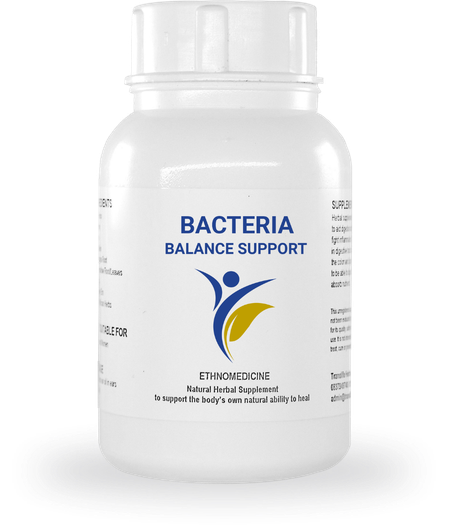
Bacteria Balance Support is a herbal and nutritional formulation designed to support the body’s natural microbial balance during periods of increased bacterial exposure. The combination of traditional botanicals and supportive nutrients helps maintain healthy immune function and overall resilience during times of environmental or microbial stress. This supplement is intended to support normal immune function and microbial balance and is not intended to diagnose, treat, cure or prevent disease.
Adults:
Take 2–4 capsules, three times daily, approximately 20 minutes before meals
Children 6–12 years:
Take 1 capsule daily.
Children 12–16 years:
Take 1–2 capsules twice daily, according to age
During periods of increased immune challenge:
Higher intake levels may be used temporarily under practitioner guidance.
Bacteria Balance may be used together with Inflammation Capsules, Viral Plus-B Capsules, Cysts & Fibroids Capsules, HPV Capsules, and Immune Capsules to support the body during microbial stress. Skin Healing Cream may be used externally where skin support is required.
Ingredients as traditionally used for this supplement.
Andographis
Bearberry
Berberine
Black Seed
Cryptolepsis
Garlic
Glycine
Myrrh
N-Acetyl L-Cysteine
Neem
Olive Leaf
Origanum
Papain
Quercetin
Vit A, D3, Zinc
Other African Herbs
Ingredients Traditionally used for this supplement
Andrographis: Widely respected in traditional herbal practice for helping the body maintain resilience during microbial challenges. Contributes to strong immune responsiveness and supports respiratory and systemic defenses when the body encounters environmental bacteria.
Bearberry: Traditionally valued for supporting urinary tract wellness and helping the body maintain microbial balance within the urinary system. Encourages a healthy internal environment and supports the body’s natural cleansing processes.
Berberine: Known in traditional herbal practice for assisting the body in maintaining balance during microbial stress. Helps support digestive stability and contributes to maintaining a healthy internal microbial environment.
Black Seed: Revered for centuries as a versatile botanical for immune and microbial balance. Helps the body maintain natural resistance to bacterial challenges while encouraging balanced immune responses.
Cryptolepsis: Long used in traditional herbal systems to help the body maintain strength during microbial challenges. Encourages healthy immune activity and supports resilience when the body encounters infectious pressures.
Garlic: One of nature’s most recognised botanicals for supporting the body’s natural antimicrobial defenses. Helps strengthen immune resilience and contributes to maintaining microbial balance during seasonal challenges.
Glycine: A supportive amino acid that contributes to the body’s natural protective and recovery processes. Helps maintain cellular balance and supports the body during periods of physiological stress.
Myrrh: A traditional botanical valued for supporting the body’s natural defenses. Helps maintain immune readiness and contributes to the body’s resilience during microbial challenges.
N-Acetyl L-Cysteine: Supports the body’s natural antioxidant systems and contributes to maintaining cellular defenses during bacterial challenges. Also helps support respiratory wellness and overall resilience.
Neem: Traditionally used in herbal practice to help maintain internal microbial balance. Supports the body’s natural protective systems and contributes to overall immune resilience.
Olive Leaf: A classic Mediterranean botanical traditionally used to support the body’s resistance to microbial challenges. Helps maintain immune balance and supports resilience during periods of infection.
Origanum: Known for supporting the body’s natural defenses against environmental microorganisms. Helps maintain microbial balance while supporting digestive and immune resilience.
Papain: A digestive enzyme derived from papaya that supports healthy digestion and the body’s natural ability to maintain internal balance. Helps assist normal digestive processes during periods of microbial stress.
Quercetin: Supports balanced immune signaling and contributes to maintaining healthy inflammatory responses. Helps strengthen the body’s natural protective mechanisms during microbial exposure.
Vitamin A: Supports the health of mucosal tissues that form an important part of the body’s natural protective barriers. Contributes to immune readiness and overall microbial defense.
Vitamin D3: Plays an important role in supporting balanced immune regulation and helping the body maintain readiness to respond to microbial challenges.
Zinc: An essential mineral that contributes to normal immune function and supports the body’s natural defenses during periods of microbial stress.
Not suitable for pregnant or breastfeeding women.
People taking blood-thinning or anticoagulant medication should consult a healthcare practitioner before use.
Keep out of reach of children.
Protect from direct sunlight.
Store below 25°C in a cool, dry place.
Practitioner’s Technical Info
For Practitioner’s Herbal Educational purposes only!
Bacteria Balance Support – Practitioner’s Technical Information:
The human body constantly interacts with microorganisms present in food, water, air and the surrounding environment. Many of these microorganisms are beneficial and form part of the natural microbiome that supports digestion, immune regulation and metabolic health.
However, certain bacteria may challenge the body when they multiply excessively, enter sensitive tissues or disrupt normal microbial balance.
Bacteria Balance is a comprehensive botanical and nutritional formulation designed to support the body’s natural ability to maintain microbial equilibrium, assist immune recognition of bacterial organisms, protect tissues during immune responses and support physiological recovery processes once microbial balance has been restored.
Rather than targeting a single biological pathway, the formulation supports multiple interconnected systems involved in microbial defence including immune signalling, digestive microbial balance, antioxidant protection, mucosal barrier integrity and tissue recovery mechanisms.
Understanding how bacterial organisms interact with the body helps explain why maintaining microbial balance is essential for overall health and resilience.
Understanding Bacterial Organisms:
Bacteria are microscopic single-cell microorganisms capable of living independently in many environments. Unlike viruses, bacteria are living cells that can reproduce on their own through a process called binary fission, where one cell divides into two identical cells.
Many bacteria are beneficial and play important roles within the human body. These beneficial organisms help regulate digestion, produce vitamins and support immune function.
However, some bacteria may become problematic when they multiply excessively, enter tissues where they do not normally belong or release substances that irritate surrounding cells.
Examples of bacterial challenges may include:
Because bacteria are living organisms capable of independent growth, the body relies on immune surveillance, microbial competition and protective biochemical processes to maintain balance.
Key Differences Between Bacteria and Viruses:
| Feature | Bacteria | Viruses |
| Biological nature | Living single-cell organism | Non-living infectious particle |
| Reproduction | Reproduce independently | Require host cell to replicate |
| Size | Larger microorganisms | Much smaller |
| Treatment approach | Microbial balance and immune support | Immune response support |
| Presence in microbiome | Many beneficial species exist | Not part of normal microbiome |
Understanding these differences helps explain why bacterial balance often involves supporting both immune responses and microbial ecology within the body.
Common Bacteria Encountered in Everyday Life
| Bacterium | Typical Situations of Exposure | Common Sources | Body Areas Commonly Affected | Possible Symptoms When Balance Is Disturbed |
| Campylobacter | Handling raw poultry, contaminated food or water | Raw poultry, untreated water | Digestive tract | Abdominal discomfort, diarrhea, digestive upset |
| Clostridium species | Soil exposure, contaminated food, disturbed intestinal microbiome | Soil, food, intestinal tract | Digestive tract | Digestive imbalance, abdominal discomfort |
| Cutibacterium (Propionibacterium) acnes | Blocked pores, excessive skin oil, hormonal changes | Natural skin microbiome | Skin follicles | Acne, skin inflammation, blemishes |
| Enterococcus species | Digestive imbalance, hospital environments, urinary disturbances | Digestive microbiome, environmental surfaces | Intestinal tract, urinary tract | Digestive upset, urinary discomfort |
| Escherichia coli (E. coli) | Food preparation, contaminated food or water, digestive imbalance | Raw food, water, intestinal microbiome | Digestive tract, urinary tract | Diarrhea, digestive upset, urinary irritation |
| Helicobacter pylori | Oral contact, contaminated food or water | Food, water, oral transmission | Stomach lining | Gastric discomfort, digestive irritation |
| Klebsiella species | Respiratory exposure, hospital environments, weakened immunity | Soil, water, intestinal microbiome | Respiratory tract, intestines | Respiratory irritation, digestive imbalance |
| Pseudomonas species | Exposure to moist environments, swimming pools, wounds | Water, soil, contaminated surfaces | Skin, wounds, lungs | Skin irritation, wound infections, respiratory discomfort |
| Salmonella species | Handling raw food, contaminated eggs or poultry | Raw poultry, eggs, contaminated food | Digestive tract | Food poisoning symptoms, diarrhea, nausea |
| Staphylococcus aureus | Skin contact, cuts or abrasions, shared surfaces | Skin, nasal passages, contaminated surfaces | Skin, wounds, glands | Boils, abscesses, skin infections |
| Staphylococcus epidermidis | Natural skin flora, medical devices, skin injuries | Skin microbiome | Skin, wounds | Opportunistic skin irritation |
| Streptococcus species | Close contact with infected individuals, respiratory droplets | Saliva, respiratory secretions | Throat, respiratory tract | Sore throat, respiratory irritation |
Important Note:
The human body encounters bacteria every day through normal environmental exposure. Most microorganisms are harmless or beneficial. Maintaining a balanced microbiome and healthy immune function helps the body regulate microbial activity and maintain overall wellbeing.
Common Bacteria Associated with Childhood Infections
| Bacterium | Typical Exposure Sources | Body System Commonly Affected | Childhood Illnesses Commonly Associated | Typical Symptoms |
| Streptococcus pyogenes (Group A Streptococcus) | Respiratory droplets, close contact at schools or daycare | Throat, skin | Strep throat, scarlet fever, impetigo | Sore throat, fever, rash, skin sores |
| Staphylococcus aureus | Skin contact, shared surfaces, minor cuts or abrasions | Skin and soft tissue | Impetigo, boils, skin infections | Blisters, abscesses, inflamed skin |
| Haemophilus influenzae | Respiratory droplets, close contact | Respiratory tract, ears | Ear infections, sinus infections | Ear pain, fever, congestion |
| Streptococcus pneumoniae | Respiratory droplets, crowded environments | Respiratory tract, ears | Pneumonia, ear infections | Cough, fever, ear pain |
| Bordetella pertussis | Airborne droplets from coughing or sneezing | Respiratory tract | Whooping cough | Severe coughing spells, breathing difficulty |
| Escherichia coli (E. coli) | Contaminated food, water, poor hygiene | Digestive tract | Gastroenteritis | Diarrhea, abdominal pain |
| Salmonella species | Undercooked food, contaminated surfaces, reptiles | Digestive system | Food poisoning | Diarrhea, fever, stomach cramps |
| Campylobacter species | Raw poultry, contaminated water | Digestive tract | Gastrointestinal infections | Diarrhea, abdominal pain |
| Helicobacter pylori | Oral transmission, contaminated food or water | Stomach lining | Gastric irritation in some children | Stomach discomfort, nausea |
Common Situations Where Children Encounter Bacteria
| Situation | Typical Exposure |
| Schools and daycare centres | Respiratory bacteria such as Streptococcus and Haemophilus |
| Playground equipment | Skin bacteria such as Staphylococcus |
| Food handling or poor hygiene | Digestive bacteria such as E. coli and Salmonella |
| Shared toys or surfaces | Respiratory and skin bacteria |
| Minor cuts or scrapes | Skin bacteria |
Educational Note
Children naturally encounter many microorganisms while their immune systems are still developing. Most exposures are harmless, but maintaining healthy immune function, balanced nutrition, and proper hygiene helps the body regulate microbial activity and maintain overall wellbeing.
Body Systems Commonly Affected by Bacterial Imbalance
| Body System | Examples of Bacterial Imbalance | Possible Symptoms When Balance Is Disturbed | Situations Where Support May Be Helpful |
| Skin and Soft Tissue | Staphylococcus, Cutibacterium | Boils, abscesses, acne, skin irritation, minor wound infections | Cuts, abrasions, blocked pores, weakened skin barrier |
| Respiratory Tract | Streptococcus, Klebsiella | Sore throat, sinus irritation, respiratory discomfort | Seasonal exposure, crowded environments, weakened immunity |
| Digestive System | E. coli, Clostridium, Salmonella | Abdominal discomfort, diarrhea, digestive imbalance | Food contamination, digestive stress, microbiome imbalance |
| Urinary Tract | E. coli, Enterococcus | Urinary discomfort, irritation during urination | Dehydration, digestive imbalance, bacterial migration |
| Glands and Deeper Tissues | Staphylococcus species | Swollen glands, localized infections, tissue irritation | Immune stress, skin infections, blocked ducts |
| General Immune System Stress | Multiple bacterial species | Fatigue, inflammation, immune stress | Travel, environmental exposure, illness recovery |
How Bacteria Balance Supports the Body
Bacteria Balance is designed to support several physiological systems involved in microbial regulation, including:
Supporting these systems helps the body maintain healthy microbial equilibrium and overall immune resilience during periods of increased environmental exposure.
The Role of the Microbiome:
The human body contains trillions of microorganisms collectively known as the microbiome. Most of these organisms live within the digestive system where they help regulate digestion, immune function and metabolic activity.
Beneficial microorganisms compete with other bacteria for nutrients and attachment sites along the intestinal lining. This microbial competition helps maintain balance and prevents excessive growth of undesirable microorganisms.
Several factors may influence the stability of the microbiome.
Factors that may influence microbial balance include:
Supporting microbial equilibrium helps maintain digestive stability and contributes to broader immune resilience throughout the body.
How the Body Responds to Bacterial Exposure:
When bacterial organisms enter the body or begin multiplying excessively, the immune system activates a coordinated defence response designed to recognise, control and remove microbial organisms while protecting surrounding tissues.
This defence process occurs in several stages and involves both the innate immune system and the adaptive immune system.
The innate immune system provides the first line of defence. Immune cells such as macrophages and neutrophils detect bacterial surface structures and begin neutralising invading microorganisms. These cells engulf bacteria through a process known as phagocytosis.
During this stage immune signalling molecules are released to recruit additional immune cells to the affected tissues. Controlled inflammatory responses may occur, helping to isolate microbial activity and prevent further spread.
If bacterial activity continues, the adaptive immune system becomes more active. T-cells help coordinate immune responses while B-cells produce antibodies that help identify and neutralise specific bacterial organisms.
At the same time several protective physiological systems become active throughout the body.
These immune defence processes include:
These coordinated responses allow the body to regulate microbial activity while protecting surrounding tissues from excessive damage.
Key Immune Components Involved in Bacterial Defence:
| Immune Component | Primary Role in Bacterial Defence |
| Macrophages | Engulf and neutralise bacterial organisms |
| Neutrophils | Rapid immune defence against invading bacteria |
| T-Cells | Coordinate immune signalling and immune responses |
| B-Cells | Produce antibodies targeting bacterial organisms |
| Antioxidant Systems | Protect tissues from oxidative stress during immune responses |
| Lymphatic System | Filters microorganisms and transports immune cells |
These components work together to create an integrated defence network that helps maintain microbial balance throughout the body.
Where Immune Defence Occurs in the Body:
The immune system does not exist in a single organ. Instead it functions through a complex network of immune cells, tissues and signalling pathways distributed throughout the body.
Several important systems participate in microbial defence and immune regulation.
Key Immune Systems Supporting Microbial Balance:
| Body System | Role in Microbial Defence |
| Digestive System | Maintains microbial balance and houses major immune tissues |
| Respiratory System | Filters airborne microorganisms |
| Lymphatic System | Coordinates immune cell communication |
| Blood Circulation | Transports immune cells to affected tissues |
| Mucosal Barriers | Prevent microbial attachment to tissues |
| Antioxidant Systems | Protect tissues during immune responses |
These systems work together to maintain microbial equilibrium and support immune resilience throughout the body.
Why Microbial Balance Matters:
The human body exists in constant interaction with microorganisms. While many bacteria are beneficial and contribute to normal digestive and immune function, disturbances in microbial balance may allow certain bacteria to multiply excessively or influence sensitive tissues.
Maintaining microbial equilibrium is therefore an important component of overall physiological stability.
The digestive tract plays a particularly important role in microbial balance. The intestinal microbiome contains trillions of microorganisms that interact with immune tissues located in the lining of the gastrointestinal tract. These microorganisms compete with other bacteria for nutrients and attachment sites, helping maintain microbial equilibrium.
When this balance is disturbed, several physiological systems may become affected.
Areas commonly influenced by microbial imbalance include:
Supporting microbial balance therefore helps maintain digestive stability and contributes to broader immune resilience throughout the body.
Situations Where Individuals May Seek Bacterial Support:
Although the body possesses sophisticated immune defence mechanisms, certain circumstances may increase exposure to microorganisms or temporarily challenge immune resilience.
During such periods individuals sometimes choose to support microbial balance through nutritional and botanical supplementation.
Common situations where microbial support may be considered include:
In these situations supporting immune function, digestive microbial balance and tissue resilience may assist the body in maintaining physiological equilibrium.
Common Situations Where Bacterial Balance Support May Be Helpful:
| Situation | Why Microbial Support May Be Helpful |
| Travel | Exposure to unfamiliar microorganisms |
| Stress and fatigue | Temporary reduction in immune resilience |
| Digestive disturbances | Microbial imbalance in the intestinal tract |
| Crowded environments | Increased exposure to airborne microorganisms |
| Seasonal environmental changes | Increased circulation of microbes |
| Recovery after illness | Restoration of microbial equilibrium |
These circumstances do not necessarily indicate illness but may increase demands on the body’s natural regulatory systems.
Functional Systems Supported by Bacteria Balance:
Bacteria Balance was formulated to support several physiological systems involved in microbial regulation and immune defence.
Rather than focusing on a single biological pathway, the formulation combines botanical extracts, medicinal mushrooms, amino acids and nutrients that support multiple interconnected systems.
Key systems supported by the formulation include:
Through this multi-system approach the formulation supports the body’s natural ability to regulate microbial balance and respond efficiently when exposed to bacterial organisms.
Functional Support Provided by the Bacteria Balance Formula:
| Functional Support Area | Physiological Role | Why It Matters |
| Immune recognition | Immune cells detect microbial organisms | Allows faster immune response |
| Antioxidant defence | Protects tissues from oxidative stress | Maintains cellular stability |
| Digestive microbial balance | Regulates intestinal microbiome | Prevents excessive microbial growth |
| Mucosal barrier support | Strengthens protective tissue linings | Reduces microbial attachment |
| Circulatory immune delivery | Transports immune cells to tissues | Improves defence efficiency |
| Tissue repair support | Supports recovery after immune activity | Restores physiological stability |
Supporting these systems simultaneously helps maintain microbial equilibrium and contributes to overall immune resilience.
How Bacteria Balance Supports the Body:
When microbial balance is challenged, the body activates several coordinated physiological processes designed to detect, regulate and remove bacterial organisms while protecting surrounding tissues.
Bacteria Balance was formulated to support these natural processes by assisting immune recognition, microbial regulation, antioxidant protection and tissue recovery.
Rather than acting through a single mechanism, the formulation supports multiple systems simultaneously. This multi-pathway approach reflects the way the body itself responds to microbial challenges.
Several physiological systems are involved during microbial regulation.
These include:
Supporting these systems together helps the body maintain microbial equilibrium while protecting tissues during immune responses.
Stages of Microbial Regulation in the Body:
When the body encounters bacterial organisms or experiences microbial imbalance, physiological responses generally occur in stages.
Understanding these stages helps explain how supportive formulations may assist the body over time.
Stage 1 – Microbial Recognition:
During the early stage of microbial exposure, immune cells recognise bacterial structures through specialised receptors that detect foreign microbial patterns.
Macrophages and neutrophils begin identifying and engulfing bacterial organisms. These immune cells release signalling molecules that recruit additional immune cells to the affected tissues.
Supporting immune recognition during this stage may assist the body in responding efficiently to microbial exposure.
Stage 2 – Immune Response and Microbial Regulation:
As immune activity increases, immune cells coordinate defensive processes designed to limit bacterial growth and restore microbial balance.
During this stage several processes occur simultaneously.
Supporting these mechanisms helps maintain microbial equilibrium while immune responses remain active.
Stage 3 – Tissue Protection During Immune Activity:
Immune responses produce reactive molecules that assist in neutralising microbial organisms. While these molecules are necessary for microbial defence, they may also place stress on surrounding tissues.
Antioxidant defence systems therefore play an important role in protecting cells during immune activity.
Supporting antioxidant protection during this stage helps maintain stability in digestive, respiratory and circulatory tissues exposed to immune responses.
Stage 4 – Restoration of Microbial Balance:
Once microbial activity begins to stabilise, the body shifts toward restoring equilibrium within the microbiome and affected tissues.
Several restorative processes become more prominent.
Supporting these processes helps the body return to normal physiological balance.
Stage 5 – Recovery and Immune Stabilisation:
During the final stage the body continues repairing tissues and restoring immune equilibrium.
Connective tissue repair, epithelial regeneration and antioxidant protection remain active while the body stabilises microbial balance.
Maintaining nutritional and botanical support during this stage may assist overall physiological resilience.
Typical Timeline of Support with Bacteria Balance:
Although individual responses may vary depending on overall health and the degree of microbial imbalance, supportive formulations often influence physiological processes gradually over time.
| Time Period | Physiological Activity | Supportive Role |
| First few days | Immune recognition and microbial detection | Supports immune signalling |
| 1–2 weeks | Microbial regulation and digestive balance | Supports microbial equilibrium |
| 2–4 weeks | Tissue recovery and mucosal repair | Supports restoration of tissues |
| Ongoing use | Maintenance of microbial stability | Supports long-term balance |
Because microbial balance depends on several interconnected systems, gradual physiological support over time often provides the most sustainable results.
Primary Systems Supported by Bacteria Balance:
| Body System | Support Role |
| Digestive system | Supports microbial equilibrium in the gut microbiome |
| Immune system | Assists recognition and regulation of bacterial organisms |
| Respiratory system | Supports mucosal protection against microbial exposure |
| Circulatory system | Delivers immune cells and nutrients to affected tissues |
| Antioxidant systems | Protect tissues during immune responses |
| Tissue repair mechanisms | Supports recovery following immune activity |
Through this integrated approach, Bacteria Balance assists the body’s natural ability to regulate microbial exposure while maintaining physiological stability.
Key Ingredient Groups in Bacteria Balance:
Bacteria Balance combines botanical extracts, medicinal mushrooms, amino acids, antioxidants, vitamins and trace minerals traditionally used to support microbial regulation and immune resilience.
Rather than relying on a single compound, the formulation provides several groups of ingredients that support different aspects of microbial defence and tissue stability.
These ingredient groups work together to assist the body in maintaining microbial equilibrium while supporting immune signalling and tissue recovery processes.
The formulation contains ingredients that contribute to:
Functional Contribution of Ingredient Groups:
| Ingredient Group | Primary Role in the Formula |
| Botanical antimicrobial herbs | Assist microbial regulation |
| Immune-supportive herbs | Support immune signalling and defence |
| Medicinal mushrooms | Support immune coordination |
| Antioxidant compounds | Protect tissues during immune responses |
| Amino acids | Support cellular recovery and antioxidant production |
| Vitamins and minerals | Support immune cell activity and tissue stability |
These ingredients support several physiological systems simultaneously, helping maintain microbial equilibrium throughout the body.
Primary Botanical Ingredients Supporting Microbial Balance:
Several botanical extracts included in the formulation are traditionally used to support microbial regulation and digestive microbial balance.
These plants contain bioactive compounds that influence microbial growth, immune signalling and mucosal protection.
Examples include:
These plant compounds may influence bacterial enzyme systems, interfere with microbial membrane stability or support digestive microbial equilibrium.
Immune-Supportive Botanicals:
Certain herbs included in the formulation primarily support immune recognition and immune coordination processes rather than directly influencing microbial organisms.
These herbs help strengthen the body’s ability to detect microbial activity and coordinate appropriate immune responses.
Examples include:
These botanicals influence macrophage activity, immune signalling pathways and lymphatic immune coordination.
Medicinal Mushrooms:
Medicinal mushrooms contribute polysaccharides and beta-glucans that support immune regulation.
Beta-glucans interact with immune receptors on macrophages and dendritic cells, helping improve immune recognition of microbial organisms.
Medicinal mushrooms included in the formulation may include:
These mushrooms support balanced immune activity and contribute to systemic immune resilience.
Antioxidant and Tissue-Protective Ingredients:
During immune responses, the body produces reactive molecules that help neutralise microorganisms. While these molecules are necessary for microbial defence, they may also create oxidative stress in surrounding tissues.
Several ingredients in the formulation contribute antioxidant protection to help stabilise cellular environments during immune responses.
Examples include:
These compounds help protect epithelial tissues, vascular structures and immune cells from oxidative stress.
Amino Acids Supporting Cellular Protection:
Certain amino acids included in the formulation support cellular metabolism, antioxidant production and immune cell function.
These include:
NAC supports glutathione production, which is one of the body’s most important intracellular antioxidants. Glycine and taurine contribute to cellular protection and inflammatory regulation, while arginine and lysine support immune signalling and tissue repair.
Vitamins and Trace Minerals:
Vitamins and trace minerals play essential roles in immune cell function, epithelial barrier stability and antioxidant protection.
Important nutrients included in the formulation may include:
These nutrients contribute to immune cell development, antioxidant protection and maintenance of mucosal barrier tissues that protect against microbial invasion.
Example Ingredient Activity Summary:
| Ingredient | Key Active Compounds | Primary Support Role |
| Berberine | Isoquinoline alkaloids | Microbial regulation |
| Oregano | Carvacrol, thymol | Microbial membrane disruption |
| Olive leaf | Oleuropein | Microbial balance and antioxidant support |
| Astragalus | Polysaccharides | Immune activation |
| Reishi mushroom | Beta-glucans | Immune regulation |
| NAC | Glutathione precursor | Antioxidant protection |
| Quercetin | Flavonoid polyphenol | Tissue protection |
These ingredients collectively support microbial balance while protecting tissues and assisting immune resilience.
The Gut–Brain Axis and Bacterial Balance
The gut–brain axis refers to the continuous communication between the digestive system and the brain. This communication occurs through several pathways, including the vagus nerve, immune signalling, hormones, and the activity of the gut microbiome.
The digestive tract contains trillions of bacteria that help regulate digestion, inflammation, immune activity, and even aspects of mood and neurological signalling. When the balance of these microorganisms becomes disturbed, sometimes referred to as dysbiosis, the digestive system may become irritated and inflammatory processes may increase.
This imbalance can influence several digestive conditions, including gastro-oesophageal reflux (GERD), bloating, digestive discomfort, and inflammation of the stomach and oesophagus.
Certain bacteria may affect how the digestive tract produces inflammatory mediators, digestive enzymes, and protective mucus layers. At the same time, signals travelling along the vagus nerve connect digestive activity directly with the brain, meaning that disturbances in the gut may influence stress responses, inflammation, and digestive motility.
For this reason, maintaining healthy bacterial balance in the digestive tract is increasingly recognised as an important part of supporting both digestive health and overall immune regulation.
Relationship Between Gut Bacteria, the Brain, and Digestive Symptoms
Why This Matters for Practitioners
Supporting microbial balance in the digestive system may help restore normal communication along the gut–brain axis. When digestive bacteria are more balanced, the body is often better able to regulate inflammation, maintain digestive comfort, and support healthy nervous system signalling.
This is one of the reasons why supporting bacterial balance can be an important part of addressing digestive irritation, reflux-related discomfort, and inflammatory digestive conditions.
Relationship Between Gut Bacteria, the Brain, and Digestive Symptoms
| Component | Function in the Gut–Brain Axis | What Happens When Balance Is Disturbed | Possible Symptoms |
| Gut Microbiome | Regulates digestion, immune signalling, and inflammatory balance in the digestive tract. | Imbalance of bacteria may increase inflammatory signalling and disrupt digestion. | Bloating, digestive discomfort, reflux symptoms. |
| Vagus Nerve | Main communication pathway between the digestive tract and the brain. | Disturbed gut signals may affect nervous system regulation and digestive responses. | Stress-related digestive symptoms, altered appetite. |
| Immune System | Monitors microbial activity in the digestive tract and regulates inflammatory responses. | Dysbiosis may trigger immune activation and irritation of digestive tissues. | Inflammation, stomach irritation, digestive discomfort. |
| Digestive Motility | Controls movement of food through the stomach and intestines. | Bacterial imbalance may interfere with normal digestive movement. | Reflux, gas, bloating, irregular digestion. |
| Protective Mucosal Barrier | Protects the stomach and intestinal lining from irritation and microbes. | Inflammation may weaken mucus protection of the digestive tract. | GERD symptoms, stomach sensitivity, digestive irritation. |
Interactions with Medicines and Clinical Considerations:
Botanical and nutritional formulations may interact with certain medications or medical conditions. While many herbal ingredients have long histories of traditional use, practitioners should remain aware of potential interactions, particularly when patients are using prescription medicines.
Several ingredients commonly used in microbial-support formulations may influence metabolic pathways, immune signalling or circulatory physiology.
For this reason, individuals using prescription medicines or managing chronic medical conditions should consult a qualified healthcare practitioner before beginning new supplementation.
Potential Interaction Considerations:
| Medication Category | Possible Interaction | Clinical Consideration |
| Anticoagulant medicines | Certain botanicals may influence circulation or platelet activity | Monitor use and consult practitioner |
| Diabetes medicines | Some ingredients may influence glucose metabolism | Monitor blood sugar where applicable |
| Blood pressure medicines | Botanical compounds may influence circulatory regulation | Monitor blood pressure response |
| Immunosuppressant medicines | Immune-supportive herbs may influence immune signalling | Use only under practitioner guidance |
| Antibiotic medicines | Botanical microbial-support ingredients may complement microbial balance | Space dosing when appropriate |
Spacing botanical supplements several hours away from prescription medicines may assist in reducing potential interactions.
Safety Considerations:
Bacteria Balance contains botanical extracts, amino acids and nutrients that have been traditionally used to support microbial balance and immune resilience.
When used according to recommended guidelines, such formulations are generally well tolerated.
However, individuals with specific medical conditions should consult a qualified healthcare professional before beginning new supplementation.
General Safety Guidance:
Supporting microbial balance should always complement, rather than replace, appropriate medical care where necessary.
Pregnancy and Breastfeeding Considerations:
Pregnant and breastfeeding women should consult a healthcare professional before using botanical or nutritional supplements.
Certain herbs traditionally used for microbial balance may influence physiological processes during pregnancy and therefore require professional guidance.
| Group | Guidance |
| Pregnant women | Use only under professional medical supervision |
| Breastfeeding women | Consult healthcare practitioner before use |
Children and Adolescents:
Children may have different physiological sensitivities compared to adults. For this reason, botanical supplements should be used cautiously in younger individuals.
| Age Group | Guidance |
| Under 6 years | Use only under practitioner guidance |
| 6–12 years | Adjusted dosing may be considered |
| Adolescents | Adult dosing may be appropriate depending on body weight |
Parents should always consult healthcare professionals before introducing supplements to children.
Maintaining Microbial Balance for Long-Term Health:
Supporting microbial equilibrium involves more than simply addressing microbial exposure. Long-term microbial balance depends on several lifestyle and physiological factors.
Important contributors to healthy microbial balance include:
When combined with appropriate lifestyle practices, supportive botanical and nutritional formulations may assist the body in maintaining microbial equilibrium and immune resilience.
Summary of the Bacteria Balance Formulation:
| Primary Support Area | Role in the Body |
| Microbial regulation | Supports microbial equilibrium |
| Immune signalling | Assists immune recognition of bacteria |
| Digestive microbial balance | Supports healthy intestinal microbiome |
| Antioxidant protection | Protects tissues during immune activity |
| Mucosal barrier stability | Supports protective tissue linings |
| Tissue recovery | Supports repair following immune responses |
Through its combination of botanical extracts, medicinal mushrooms, amino acids and essential nutrients, Bacteria Balance was formulated to support the body’s natural ability to maintain microbial equilibrium and physiological resilience.
Ingredients which are traditionally used for a Virus & Bacteria supplement
Technical info: For herbal knowledge educational purposes only!
The following botanical and nutritional compounds are traditionally used in formulations designed to support microbial balance, immune defence and tissue resilience when the body encounters bacterial organisms.
Descriptions focus on physiological mechanisms, immune interactions and microbial ecology and are intended for practitioner-level educational reference.
Alpha Lipoic Acid: Acting as a universal antioxidant within both aqueous and lipid cellular environments, alpha lipoic acid helps stabilise intracellular redox balance in immune and epithelial tissues. It plays a key role in restoring glutathione levels, one of the body’s most important antioxidant defence molecules. During bacterial immune responses, reactive oxygen species generated by immune cells help neutralise pathogens but may also stress surrounding tissues. Alpha lipoic acid supports mitochondrial energy metabolism and protects cellular membranes in tissues such as the intestinal lining, respiratory epithelium and circulating immune cells, helping maintain cellular resilience during microbial exposure.
Andrographis Paniculata: Traditionally used for microbial and immune support, andrographis influences immune signalling through diterpene lactones, particularly andrographolide. These compounds stimulate macrophage activity and enhance phagocytosis, allowing immune cells to recognise and engulf bacterial organisms more efficiently. Research has demonstrated antimicrobial activity against several Gram-positive and Gram-negative bacteria. Activity is particularly relevant within respiratory and digestive tissues where microbial exposure frequently occurs, while modulation of cytokine signalling contributes to balanced immune responses.
Astragalus Root: Widely used as an immune-supportive botanical, astragalus enhances innate immune activity through polysaccharides, flavonoids and triterpenoid saponins. These compounds stimulate macrophages, dendritic cells and natural killer cells responsible for microbial detection and elimination. Astragalus polysaccharides strengthen immune communication pathways in lymphatic tissues, respiratory mucosa and intestinal immune structures, supporting the body’s ability to maintain microbial balance during periods of increased exposure.
Barberry Bark: Known for its antimicrobial alkaloids, barberry bark provides berberine together with related compounds such as berbamine and palmatine. These alkaloids interfere with bacterial DNA replication, enzyme activity and membrane integrity, thereby inhibiting microbial proliferation. Within the digestive tract berberine helps regulate intestinal microbial populations by limiting growth of pathogenic bacteria while allowing beneficial organisms to maintain ecological balance. This action contributes to improved microbial equilibrium within gastrointestinal tissues.
Bearberry Leaves (Uva Ursi): Traditionally used for urinary tract support, bearberry leaves influence microbial balance through the phenolic glycoside arbutin. Once metabolised, arbutin converts to hydroquinone derivatives that exert antimicrobial activity within urinary tissues. This mechanism helps limit bacterial growth while supporting epithelial integrity in the urinary tract. In addition, the plant’s natural tannins contribute mild astringent effects that help maintain mucosal stability.
Berberine Hydrochloride: Berberine is a highly studied isoquinoline alkaloid recognised for broad antimicrobial activity. Its mechanism involves disruption of bacterial DNA replication, inhibition of microbial enzyme systems and alteration of cell membrane permeability. Within intestinal tissues berberine influences microbial ecology by suppressing excessive growth of pathogenic bacteria while supporting balanced microbiome conditions. Additional actions include modulation of inflammatory signalling pathways triggered by bacterial toxins.
Bilberry Extract: Bilberry provides anthocyanins and polyphenolic compounds that support vascular and epithelial stability. These flavonoids act as powerful antioxidants protecting tissues exposed to microbial stress. Bilberry polyphenols also influence bacterial adhesion to mucosal surfaces, reducing microbial attachment within digestive and urinary tissues. By stabilising epithelial barriers and supporting immune cell function, bilberry contributes to maintaining microbial equilibrium.
Black Jack (Bidens pilosa): In traditional African herbal medicine, Bidens pilosa is valued for supporting microbial balance and immune resilience. Polyacetylenes, flavonoids and phenolic acids present in the plant influence antimicrobial activity and assist macrophage-mediated microbial clearance. Activity has been observed against several bacterial organisms while also supporting immune signalling within digestive and respiratory tissues.
Boldo Leaves: Boldo supports digestive and hepatic function through alkaloids such as boldine together with flavonoids and essential oils. Boldine acts as a potent antioxidant that protects liver cells while assisting bile production. Healthy bile flow contributes to maintaining microbial balance within the gastrointestinal tract, as bile acids influence microbial populations and digestive ecology. Through these mechanisms boldo indirectly supports microbial equilibrium.
Boswellia (Frankincense): Boswellia resin contributes anti-inflammatory support through pentacyclic triterpenes known as boswellic acids. These compounds influence inflammatory signalling pathways that may become elevated during immune responses to bacterial organisms. By regulating inflammatory mediators, boswellia helps maintain tissue stability in areas such as respiratory mucosa, joints and digestive tissues while immune activity is occurring.
Bromelain: Bromelain is a proteolytic enzyme complex derived from pineapple that assists regulation of inflammatory protein mediators and supports circulation within affected tissues. Through enzymatic breakdown of inflammatory proteins, bromelain may help reduce tissue congestion and support immune cell access to areas where microbial defence is required. This activity can assist tissue drainage and improve physiological responses during bacterial immune activity.
Buchu: Traditionally used for urinary tract health, buchu contributes antimicrobial and diuretic support through volatile oils including diosphenol and limonene. These compounds influence microbial balance within urinary tissues while supporting kidney filtration and urinary flow. Increased urinary flow assists the body’s natural mechanisms for clearing microorganisms from the urinary tract.
Cat’s Claw (Uncaria tomentosa): Cat’s claw supports immune regulation through oxindole alkaloids, quinovic acid glycosides and polyphenols. These compounds enhance macrophage activity and improve immune recognition of microbial organisms. In addition, cat’s claw influences inflammatory signalling pathways and antioxidant defence mechanisms, helping protect tissues during immune responses while supporting systemic immune resilience.
Cinnamon: Cinnamon bark contributes antimicrobial support through compounds such as cinnamaldehyde and eugenol. These phytochemicals disrupt bacterial cell membranes and interfere with enzyme systems required for microbial metabolism. Cinnamon also promotes digestive circulation and contributes to maintaining microbial balance within gastrointestinal tissues.
Citrus Bioflavonoids: Citrus bioflavonoids including hesperidin, rutin and quercetin derivatives strengthen epithelial and vascular tissues while supporting antioxidant defence systems. These flavonoids stabilise cellular membranes and assist immune cell signalling pathways. Their antioxidant and anti-inflammatory actions contribute to protecting tissues during immune responses triggered by bacterial exposure.
Cloves: Clove buds provide the phenolic compound eugenol, recognised for strong antimicrobial and antioxidant activity. Eugenol disrupts bacterial cell membranes and inhibits microbial enzyme systems involved in growth and replication. Traditionally cloves have been used to support oral and digestive microbial balance while contributing to immune resilience.
Cranberry Extract: Cranberry polyphenols, particularly proanthocyanidins, influence bacterial adhesion mechanisms within urinary tract tissues. These compounds reduce the ability of certain bacteria to attach to epithelial surfaces, allowing natural urinary flow to remove microorganisms more effectively. Cranberry antioxidants also help protect epithelial tissues exposed to microbial stress.
Cryptolepsis sanguinolenta: Used traditionally in African herbal medicine for microbial challenges, cryptolepsis exerts strong antimicrobial activity through indoloquinoline alkaloids such as cryptolepine. These compounds interfere with bacterial DNA replication and enzyme systems necessary for microbial growth. Activity extends to systemic tissues including the bloodstream and digestive tract where microbial balance may be required.
Cumin Black Seed (Nigella sativa): Traditionally valued for immune resilience and microbial balance, black cumin seed exerts its activity through bioactive compounds such as thymoquinone, thymohydroquinone and nigellone. Thymoquinone has demonstrated antibacterial activity against several Gram-positive and Gram-negative organisms by interfering with microbial membrane integrity and enzyme systems required for bacterial metabolism. Within respiratory, digestive and circulatory tissues these phytochemicals support immune cell activity while providing antioxidant protection that assists tissues exposed to microbial stress.
Echinacea Herb: Recognised for its role in supporting immune responsiveness, echinacea influences innate immune activity through alkamides, polysaccharides and caffeic acid derivatives. These compounds stimulate macrophage activity and enhance phagocytosis, enabling immune cells to identify and remove bacterial organisms more efficiently. Activity is particularly relevant within lymphatic tissues and mucosal immune structures where early microbial detection and immune coordination occur.
Elderberries: Rich in anthocyanins and flavonoids, elderberries provide strong antioxidant protection to epithelial and immune tissues exposed to microbial stress. These polyphenolic compounds assist in stabilising cellular membranes and support immune signalling pathways involved in microbial defence. Through their antioxidant activity elderberries help maintain tissue resilience while immune responses are activated.
Elecampane Root: Traditionally used to support respiratory resilience, elecampane contributes antimicrobial activity through sesquiterpene lactones such as alantolactone and isoalantolactone. These compounds influence microbial growth while supporting bronchial clearance of mucus and microbial debris. Inulin polysaccharides present in the root also assist digestive microbial equilibrium by acting as supportive substrates for beneficial intestinal bacteria.
Garlic (Allium sativum): Garlic provides organosulfur compounds including allicin, diallyl sulfides and ajoene which are widely recognised for antimicrobial activity. Allicin interferes with bacterial enzyme systems and metabolic pathways required for replication. Beyond direct microbial influence, garlic also supports immune cell activation and circulatory resilience, contributing to systemic microbial balance across digestive, respiratory and circulatory tissues.
Ginger: Known for its digestive and circulatory benefits, ginger contributes phenolic compounds such as gingerols and shogaols that influence inflammatory signalling pathways. These constituents support gastrointestinal function and help maintain digestive environments that discourage excessive microbial proliferation. Ginger’s antioxidant activity also protects epithelial tissues from oxidative stress during immune responses.
Glycine: As an amino acid involved in cellular metabolism, glycine contributes to the synthesis of glutathione, one of the body’s most important intracellular antioxidants. Glutathione protects immune and epithelial cells from oxidative stress generated during immune responses to microbial organisms. Through this role glycine helps maintain cellular resilience and stabilises inflammatory signalling pathways.
Gotu Kola (Centella asiatica): Gotu kola supports connective tissue repair and microcirculation through triterpenoid saponins such as asiaticoside and madecassoside. These compounds help stabilise epithelial tissues and assist healing processes following microbial irritation. Improved microcirculation also enhances delivery of immune cells and nutrients to tissues involved in microbial defence.
Grape Seed Extract: Highly concentrated in oligomeric proanthocyanidins (OPCs), grape seed extract provides potent antioxidant protection for vascular and epithelial tissues. OPCs strengthen connective tissue and support microvascular circulation, allowing immune mediators to reach tissues exposed to bacterial organisms more efficiently. These polyphenols also help protect cellular membranes from oxidative stress.
Grapefruit Seed Extract: Grapefruit seed extract contributes microbial balancing activity through bioflavonoids, limonoids and phenolic compounds. These substances influence microbial membrane integrity and interfere with metabolic pathways required for bacterial survival. Traditionally it has been used to support digestive microbial equilibrium and help maintain internal microbial balance.
Green Tea: Green tea provides catechins such as epigallocatechin gallate (EGCG), which exhibit strong antioxidant and antimicrobial properties. These polyphenols influence bacterial enzyme systems and protect epithelial tissues from oxidative stress generated during immune responses. Within digestive and circulatory tissues green tea contributes to maintaining cellular stability during microbial defence processes.
Horehound: Horehound supports respiratory defence mechanisms through compounds such as marrubiin that assist bronchial mucus clearance. Improved mucus flow allows respiratory tissues to remove environmental microorganisms more effectively. Mild antimicrobial activity further contributes to maintaining microbial balance in airway tissues.
Horseradish Root: Known for its pungent antimicrobial action, horseradish provides glucosinolates that convert to isothiocyanates when plant tissues are crushed. These compounds disrupt microbial enzyme systems and membrane structures, influencing bacterial growth. Horseradish has traditionally been used to support respiratory and urinary microbial balance while assisting natural clearance of microorganisms from mucosal tissues.
L-Arginine: L-arginine contributes to immune defence through its role in nitric oxide synthesis. Nitric oxide acts as a signalling molecule within immune cells and participates in antimicrobial mechanisms used by macrophages. Adequate arginine availability therefore assists immune responses during bacterial exposure and contributes to efficient immune cell activity.
L-Lysine: L-lysine supports immune function through its role in protein synthesis and antibody production. It also contributes to collagen formation within connective tissues, helping maintain structural integrity of epithelial barriers that protect tissues from microbial invasion. Through these mechanisms lysine assists the body in maintaining resilient protective barriers during microbial exposure.
Myrrh (Commiphora myrrha): Traditionally used in herbal medicine for microbial balance, myrrh exerts antimicrobial activity through sesquiterpenes, terpenoids and furanosesquiterpenes present in the resin. These compounds influence microbial membrane integrity and disrupt enzyme systems required for bacterial survival. Myrrh has historically been used to support oral, digestive and respiratory tissues where microbial exposure occurs. Its antioxidant and immune-modulating properties assist tissue stability during immune responses.
N-Acetyl-L-Cysteine (NAC): NAC functions primarily as a precursor for glutathione synthesis, one of the body’s most important intracellular antioxidants. During immune responses to bacterial organisms, immune cells generate reactive molecules that may stress surrounding tissues. By supporting glutathione production, NAC helps maintain cellular protection within respiratory epithelial cells, digestive tissues and immune cells. NAC also assists mucus regulation in respiratory tissues, supporting the natural clearance of microorganisms from bronchial passages.
Neem (Azadirachta indica): Neem contributes antimicrobial and immune-supportive activity through compounds such as azadirachtin, nimbolide and nimbidin. These phytochemicals influence bacterial growth by interfering with microbial enzyme systems and membrane integrity. Neem has traditionally been used in herbal medicine to support microbial balance in digestive, circulatory and skin tissues. Additional antioxidant activity helps protect cells exposed to microbial stress.
Olive Leaf (Olea europaea): Olive leaf supports microbial balance through phenolic compounds including oleuropein and hydroxytyrosol. These polyphenols influence microbial metabolism and inhibit growth of several bacterial organisms while providing antioxidant protection to epithelial tissues. Olive leaf also contributes to immune signalling pathways that assist the body in recognising and responding to microbial exposure.
Origanum (Oregano): Oregano provides phenolic compounds such as carvacrol and thymol, recognised for strong antimicrobial activity. These constituents disrupt bacterial cell membranes and interfere with metabolic pathways required for microbial survival. Traditionally oregano has been used to support digestive microbial balance and respiratory resilience when tissues are exposed to environmental bacteria.
Pau D’Arco (Lapacho): Pau d’Arco bark contains naphthoquinones including lapachol and beta-lapachone which influence microbial enzyme systems and cellular metabolism. These compounds have demonstrated antimicrobial activity against various bacterial organisms. Traditionally Pau d’Arco has been used to support microbial balance in digestive and systemic tissues while assisting immune resilience.
Papain: Papain is a proteolytic enzyme derived from papaya that supports digestion and immune processes through enzymatic breakdown of proteins. By assisting digestive efficiency papain helps maintain balanced intestinal environments where microbial populations are regulated through digestive activity. Enzymatic support also assists circulation and tissue drainage during immune responses.
Pine Bark Extract: Pine bark provides oligomeric proanthocyanidins (OPCs), powerful antioxidant flavonoids that protect cellular membranes and vascular tissues. These compounds strengthen connective tissue and support microcirculation, allowing immune mediators to reach tissues exposed to microbial organisms. OPCs also help protect epithelial tissues from oxidative stress associated with immune activity.
Pomegranate: Pomegranate contributes polyphenols such as ellagic acid and punicalagins that provide antioxidant and antimicrobial support. These compounds influence bacterial growth by affecting microbial membrane stability and enzyme activity. Within digestive and circulatory tissues pomegranate polyphenols assist immune signalling and help maintain microbial balance.
Quercetin: Quercetin is a flavonoid widely studied for antioxidant and anti-inflammatory activity. It stabilises cellular membranes, protects epithelial tissues from oxidative stress and influences inflammatory signalling pathways activated during immune responses. By supporting immune regulation and cellular protection, quercetin contributes to maintaining tissue stability during microbial exposure.
Reishi Mushrooms (Ganoderma lucidum): Reishi contributes immunomodulatory activity through beta-glucans, triterpenoids and polysaccharides. These compounds stimulate macrophages, dendritic cells and natural killer cells involved in microbial detection and immune coordination. Reishi has traditionally been used to support immune resilience and balanced immune signalling during microbial challenges.
Rutin: Rutin is a flavonoid glycoside related to quercetin that strengthens vascular tissues and supports antioxidant defence. By stabilising capillary integrity and protecting cellular membranes, rutin assists circulation of immune mediators throughout the body. This contributes to maintaining tissue resilience during immune responses to bacterial exposure.
Selenium: Selenium functions as an essential trace mineral incorporated into antioxidant enzymes such as glutathione peroxidase. These enzymes protect immune and epithelial cells from oxidative stress generated during immune responses. Adequate selenium levels support immune signalling and cellular resilience, contributing to balanced microbial defence.
Skullcap: Skullcap contributes flavonoids such as baicalin and baicalein that influence inflammatory signalling pathways and antioxidant protection. Traditionally skullcap has been used to support nervous system stability and immune balance. Its antioxidant activity assists tissues exposed to inflammatory stress during microbial immune responses.
Taurine: Taurine functions as an amino sulfonic acid involved in cellular protection and regulation of inflammatory responses. Taurine helps stabilise cell membranes and contributes to antioxidant defence within immune and epithelial tissues. Through these mechanisms it assists cellular resilience during immune responses to microbial exposure.
Thyme (Thymus vulgaris): Thyme provides essential oils rich in thymol and carvacrol, compounds known for antimicrobial activity. These phenolic compounds disrupt bacterial cell membranes and interfere with microbial enzyme systems. Thyme has traditionally been used to support respiratory and digestive microbial balance while assisting natural immune defence mechanisms.
Trans-Resveratrol: Resveratrol is a polyphenolic compound that influences cellular defence pathways and antioxidant systems. By protecting cellular structures and modulating inflammatory signalling, resveratrol contributes to maintaining tissue stability during immune responses. It also supports circulatory function, allowing immune mediators to reach affected tissues more efficiently.
Turkey Tail Mushroom (Trametes versicolor): Turkey tail provides beta-glucans, polysaccharopeptides and polysaccharide-K (PSK) that influence immune signalling pathways. These compounds stimulate macrophages and other immune cells responsible for recognising microbial organisms. Turkey tail has been widely used to support immune resilience and balanced immune activity.
Turmeric (Curcuma longa): Turmeric contributes curcuminoids, particularly curcumin, which influence inflammatory signalling pathways and antioxidant defence. Curcumin helps regulate inflammatory mediators and protect tissues during immune responses to microbial exposure. Additional antimicrobial activity contributes to maintaining microbial balance within digestive tissues.
Vitamin A: Vitamin A supports epithelial tissue integrity in respiratory, digestive and urinary tract linings. Healthy epithelial barriers form one of the body’s primary defences against microbial invasion. Vitamin A also contributes to immune cell differentiation and signalling within mucosal immune tissues.
Vitamin C: Vitamin C plays a central role in immune defence through antioxidant protection and support of white blood cell activity. It contributes to collagen synthesis within epithelial tissues and helps protect immune cells from oxidative stress during microbial defence processes.
Vitamin D3: Vitamin D influences immune regulation through its role in antimicrobial peptide production and immune signalling pathways. Adequate vitamin D levels support immune cell communication and contribute to maintaining balanced immune responses during microbial exposure.
Vitamin E: Vitamin E protects cellular membranes from oxidative damage during immune activity. As a lipid-soluble antioxidant it stabilises epithelial and immune cell membranes, contributing to cellular resilience during inflammatory responses.
Walnut Shells (Black Walnut Hull): Black walnut hull provides juglone and tannins that exhibit antimicrobial properties. These compounds influence microbial growth within digestive environments and have traditionally been used to support microbial balance within the gastrointestinal tract.
Wormwood (African Artemisia): African wormwood contributes sesquiterpene lactones and volatile oils that support microbial defence and immune signalling. Traditionally used in African herbal medicine for respiratory and digestive microbial challenges, these compounds assist immune responses and contribute to maintaining microbial equilibrium.
Zinc Bisglycinate: Zinc is an essential trace mineral required for numerous enzymatic processes involved in immune defence. It supports development and activity of immune cells including neutrophils and lymphocytes. Zinc also contributes to epithelial barrier integrity and assists cellular signalling pathways involved in microbial defence mechanisms.
Technical specifications are only available to registered distributors. Please log in to view the Technical Information.
For more technical advice, please contact one of our distributors in your area.
If you are interested in becoming a practitioner, please visit our training website for more information on herbs and their applications.