Herbal Supplements For A Healthier Life
R440.00 Incl. VAT
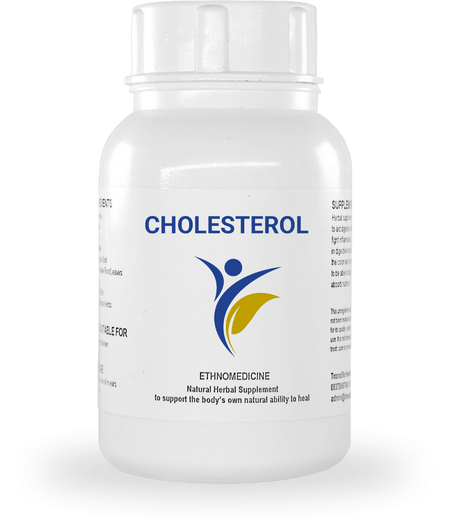
Our Cholesterol Support capsules are a natural dietary supplement formulated to assist the body in maintaining healthy cholesterol balance and overall cardiovascular wellness. The carefully selected blend of botanical extracts, nutrients and plant compounds works with the body’s natural metabolic processes to support healthy lipid metabolism, circulation and heart health, naturally:
2-3 x capsules 3x daily
15-20 minutes before meals with full glass of water
For best results:
Ingredients as traditionally used for this supplement.
AMLA
Artichoke
Berberine Hydrocholoride
Choline
Co-Enzyme Q10
Fenugreek
Garlic
Grape Seed Extr
Guggul lipid
Pine Bark
Red Yeast Rice
Turmeric
Vit B3,B12,B5,D3,K2
Other African Herbs
Amla: Contributes natural antioxidants that help maintain healthy cholesterol balance and support protection of blood vessels from oxidative stress. Traditionally valued for promoting cardiovascular resilience while assisting the body’s natural metabolic regulation of lipids and circulation.
Artichoke: Traditionally used to support healthy liver function and bile production, assisting the body in processing fats efficiently. By supporting bile flow and digestive metabolism, it helps the body maintain balanced lipid levels and healthy cardiovascular function.
Berberine Hydrochloride: Supports metabolic balance and healthy lipid regulation while contributing to normal glucose metabolism. Often included in cardiovascular wellness formulas to assist the body’s natural mechanisms for maintaining balanced cholesterol levels.
Choline: An essential nutrient that supports normal fat metabolism in the liver and assists with healthy lipid transport throughout the body. Helps maintain efficient metabolic processing of fats while supporting liver and cardiovascular health.
Co-Enzyme Q10: Supports cellular energy production, particularly in heart and muscle tissue where continuous energy is required. Contributes to cardiovascular vitality and helps maintain healthy circulation and cellular energy balance.
Fenugreek: Traditionally used to support metabolic stability and healthy digestion. Contributes to maintaining balanced lipid metabolism while supporting digestive comfort and overall metabolic wellbeing.
Garlic: Well known for supporting healthy circulation and cardiovascular wellness. Helps maintain balanced cholesterol levels while providing antioxidant support that promotes vascular health.
Grape Seed Extract: Provides powerful natural antioxidants that help protect blood vessels and support healthy circulation. Contributes to maintaining vascular integrity and protecting tissues from oxidative stress.
Guggul Lipid: Traditionally used to support healthy lipid metabolism and cardiovascular balance. Helps the body maintain normal cholesterol regulation while supporting overall metabolic function.
Pine Bark Extract: Rich in protective plant antioxidants that support vascular health and circulation. Helps maintain the strength and flexibility of blood vessels while contributing to cardiovascular wellbeing.
Red Yeast Rice: Traditionally used to help maintain healthy cholesterol balance and support the body’s natural lipid metabolism. Contributes to overall cardiovascular support and metabolic regulation.
Turmeric: Supports healthy inflammatory balance and contributes to cardiovascular wellness. Helps maintain healthy circulation while supporting overall metabolic stability.
Vitamins B3, B12, B5, D3 and K2: A combination of essential nutrients that supports energy metabolism, cardiovascular function and metabolic balance. Contributes to healthy circulation, normal cellular activity and overall physiological wellbeing.
These ingredients work together to provide comprehensive support for managing and normalizing cholesterol levels, enhancing the body's own ability to maintain cardiovascular health.
Not recommended for pregnant or breastfeeding women.
People taking blood-thinning or cholesterol-lowering medication should consult a healthcare practitioner before use.
Store below 25 °C in a cool, dry place.
Keep out of direct sunlight. Keep the container tightly closed.
Practitioner’s Technical Information
For Education Purposes only!!
Introduction to Cholesterol and Lipid Metabolism
Cholesterol is a lipid molecule that plays a fundamental role in human physiology. It is present in every cell of the body and is essential for maintaining the structural integrity of cell membranes. The molecule contributes to membrane stability, regulates cellular permeability, and participates in cellular signalling processes that allow tissues and organs to function normally.
Cholesterol is also the biochemical precursor for several critical substances produced by the body. These include steroid hormones such as estrogen, progesterone, testosterone, cortisol and aldosterone. In addition, cholesterol is required for the production of vitamin D in the skin when exposed to sunlight. Another important function is the formation of bile acids, which are produced by the liver and released into the digestive tract to assist with the digestion and absorption of dietary fats and fat-soluble vitamins.
Although cholesterol can be obtained from dietary sources such as meat, eggs and dairy products, the majority of cholesterol in the human body is produced internally. The liver is responsible for synthesising approximately seventy to eighty percent of circulating cholesterol. The remaining portion originates from dietary intake and intestinal absorption.
Because cholesterol is a fat-like molecule and does not dissolve in water, it cannot circulate freely in the bloodstream. Instead, it must be transported through the blood inside specialised structures called lipoproteins. Lipoproteins are complex particles composed of cholesterol, triglycerides, phospholipids and proteins. These particles act as carriers that move lipids between the liver, tissues and bloodstream.
Maintaining a healthy balance between the different lipoprotein transport systems is one of the most important factors influencing cardiovascular health.
Types of Cholesterol Transport Systems
Cholesterol travels through the bloodstream in several types of lipoprotein particles. Each particle performs a different function in lipid metabolism.
Major Lipoprotein Types
| Lipoprotein | Function | Effect on Health | Primary Direction of Transport |
| LDL (Low Density Lipoprotein) | Delivers cholesterol from the liver to body tissues | Excess levels may lead to plaque formation in arteries | Liver to tissues |
| HDL (High Density Lipoprotein) | Removes excess cholesterol from tissues and arteries | Protective effect against cardiovascular disease | Tissues to liver |
| VLDL (Very Low Density Lipoprotein) | Transports triglycerides produced in the liver | Can contribute to elevated triglyceride levels | Liver to tissues |
| Chylomicrons | Transport dietary fats absorbed from the intestine | Normal part of digestion and fat transport | Intestine to tissues |
The Five Pillars of Cholesterol Health
Cholesterol balance in the body depends on several interconnected physiological systems. Rather than focusing on cholesterol levels alone, long-term cardiovascular health depends on maintaining balance between cholesterol production, transport, elimination and vascular protection.
The formulation supports these five core physiological pillars of cholesterol metabolism.
| Pillar of Cholesterol Health | Primary Organs Involved | Physiological Process | Key Ingredients Supporting This System | Expected Health Effect |
| Regulation of cholesterol production | Liver | The liver synthesises cholesterol through the mevalonate pathway. Excessive activity in this pathway may increase circulating LDL levels. Natural compounds can help regulate enzyme activity involved in cholesterol synthesis. | Red yeast rice, berberine, green tea | Balanced cholesterol production and reduced LDL levels |
| Cholesterol transport balance | Bloodstream and liver | Cholesterol moves through the body using lipoproteins. LDL delivers cholesterol to tissues while HDL returns excess cholesterol to the liver for elimination. | Amla, resveratrol, grape seed extract | Improved HDL function and cholesterol recycling |
| Protection of blood vessels | Arteries and vascular endothelium | Oxidative stress and inflammation can damage blood vessels and promote plaque formation. Antioxidant compounds help protect LDL particles and maintain endothelial health. | Pine bark extract, citrus bioflavonoids, rutin, turmeric | Protection of arteries and reduced plaque formation risk |
| Elimination of cholesterol | Liver, gallbladder and intestines | The liver converts excess cholesterol into bile acids. These bile acids are released into the digestive system and assist in removing cholesterol from the body. | Artichoke leaf, dandelion root, psyllium seed, taurine | Improved cholesterol elimination through digestion |
| Metabolic regulation | Liver, pancreas and mitochondria | Metabolic health influences how fats are processed in the body. Efficient fatty acid metabolism helps prevent accumulation of triglycerides and circulating lipids. | L-carnitine, alpha lipoic acid, cinnamon | Improved lipid metabolism and energy utilisation |
How These Five Systems Work Together
Healthy cholesterol metabolism depends on the coordination of all five physiological systems.
| System Interaction | Result |
| Balanced cholesterol production with efficient elimination | Stable cholesterol levels |
| Efficient HDL transport with reduced LDL oxidation | Protection of arterial walls |
| Healthy liver metabolism with adequate bile production | Improved digestion and lipid clearance |
| Reduced inflammation with improved vascular flexibility | Lower cardiovascular risk |
| Improved metabolic utilisation of fats | Reduced triglycerides and improved energy metabolism |
When these systems function together efficiently, the body is able to regulate cholesterol naturally without excessive accumulation in the bloodstream or arterial walls.
Overall Practitioner Interpretation
Cholesterol metabolism is regulated through multiple physiological pathways rather than a single mechanism. Effective support therefore requires a comprehensive approach addressing liver metabolism, lipid transport, bile production, vascular protection and metabolic regulation.
The formulation supports each of these systems simultaneously, helping restore balance to cholesterol metabolism and supporting cardiovascular health through improved liver function, antioxidant protection, improved circulation and enhanced lipid metabolism.
This multi-system approach allows gradual improvement in cholesterol markers while supporting overall metabolic and cardiovascular wellbeing.
Comparison Between Metabolic Cholesterol Support and Statin Therapy
Cholesterol management can be approached in different ways. Conventional pharmaceutical treatment focuses primarily on suppressing cholesterol synthesis in the liver. A metabolic support approach works by improving the body’s natural regulatory systems involved in cholesterol metabolism.
Both approaches influence cholesterol levels, but they operate through different physiological mechanisms.
| Physiological Target | Metabolic Cholesterol Support (Herbal and Nutritional Approach) | Conventional Statin Therapy |
| Cholesterol synthesis in the liver | Helps regulate cholesterol production through metabolic enzyme modulation | Directly blocks the HMG-CoA reductase enzyme that produces cholesterol |
| Lipid transport balance | Supports improved HDL transport and removal of excess cholesterol | Primarily reduces LDL levels without significantly improving HDL transport |
| Oxidative stress and inflammation | Provides antioxidants that protect blood vessels and prevent LDL oxidation | Does not directly address oxidative damage to LDL particles |
| Liver metabolism | Supports liver detoxification and bile production which assists cholesterol elimination | May place metabolic load on the liver in some individuals |
| Bile production and cholesterol elimination | Stimulates bile flow allowing cholesterol to be removed through digestion | Does not significantly influence bile-mediated cholesterol elimination |
| Circulation and vascular health | Supports blood vessel flexibility and circulation | Primarily focused on lowering LDL levels |
| Metabolic balance | Supports insulin sensitivity and fat metabolism | Does not directly improve metabolic fat utilisation |
Key Differences in Physiological Approach
| Area of Influence | Metabolic Support Approach | Statin Approach |
| Cholesterol production | Moderates production through metabolic regulation | Strong suppression of cholesterol synthesis |
| Cholesterol removal | Enhances elimination through bile and fibre binding | Limited influence on cholesterol elimination |
| Vascular protection | Reduces oxidative stress and inflammation in arteries | Does not directly protect LDL from oxidation |
| Energy metabolism | Supports mitochondrial fat metabolism | May reduce coenzyme Q10 levels in some cases |
| Long-term metabolic balance | Supports overall metabolic health | Primarily focused on cholesterol reduction |
Expected Experience for Individuals
| Physiological Effect | Metabolic Support Approach | Statin Approach |
| Energy metabolism | May improve energy through improved fat metabolism | Some individuals report fatigue due to reduced CoQ10 |
| Digestion of fats | Often improves digestion due to enhanced bile production | Usually unchanged |
| Circulation | Improved vascular flexibility and blood flow | LDL reduction may indirectly support circulation |
| Liver function | Supports liver detoxification and bile metabolism | Requires monitoring of liver enzymes in some cases |
Practitioner Interpretation
Cholesterol metabolism is influenced by multiple physiological systems including liver function, lipid transport, inflammation, oxidative stress and metabolic regulation. Approaches that support these interconnected systems can provide broader metabolic benefits while helping maintain balanced cholesterol levels.
A metabolic support approach focuses on improving the body’s natural regulation of cholesterol metabolism rather than simply suppressing cholesterol production. By supporting liver metabolism, bile flow, lipid transport and vascular protection simultaneously, a more comprehensive approach to cardiovascular health can be achieved.
Both approaches may influence cholesterol levels, but they operate through different physiological strategies.
The Role of LDL Cholesterol
LDL lipoproteins transport cholesterol from the liver to tissues throughout the body. Cells require cholesterol to maintain membrane structure, produce hormones and support metabolic processes. In normal physiological conditions, LDL is an essential component of cellular health.
However, when LDL levels become elevated, excess LDL particles circulate in the bloodstream. These particles may penetrate the lining of arteries where they become trapped in the arterial wall. Over time the cholesterol within these particles may undergo oxidative modification, which triggers inflammatory reactions within the blood vessel.
This process leads to the formation of fatty streaks and eventually plaque deposits within the arterial wall. As plaque accumulates, arteries gradually narrow and become less flexible. This condition is known as atherosclerosis.
Atherosclerosis may lead to reduced blood flow to the heart, brain and other organs. If a plaque ruptures, a blood clot may form and block circulation, potentially resulting in a heart attack or stroke.
The Role of HDL Cholesterol
HDL lipoproteins perform a protective role in lipid metabolism. HDL particles collect excess cholesterol from tissues and arterial walls and transport it back to the liver. This process is known as reverse cholesterol transport.
Once cholesterol returns to the liver, it can be metabolised and converted into bile acids. These bile acids are released into the digestive system and eventually eliminated from the body through the intestines.
Higher HDL levels are associated with improved cardiovascular protection because HDL assists in clearing excess cholesterol from the bloodstream before plaque formation occurs.
Cholesterol Production in the Body
The majority of cholesterol is produced in the liver through a biochemical process known as the mevalonate pathway. The pathway begins with a metabolic molecule called acetyl-CoA, which is derived from carbohydrates, fats and proteins consumed in the diet.
Through a sequence of enzymatic reactions, acetyl-CoA is converted into mevalonate and eventually into cholesterol. One of the key enzymes involved in this pathway is HMG-CoA reductase, which regulates the rate at which cholesterol is produced.
When cholesterol levels rise in the bloodstream, the liver naturally slows down production. When cholesterol levels fall, the liver increases synthesis to maintain balance.
This regulatory system allows the body to maintain stable cholesterol levels under normal metabolic conditions.
Movement of Cholesterol Through the Body
Cholesterol constantly circulates between the liver, bloodstream and tissues. The overall process can be summarised as follows.
| Stage | Physiological Process | Organs Involved |
| Production | Cholesterol synthesis from acetyl-CoA via the mevalonate pathway | Liver |
| Transport to tissues | LDL carries cholesterol to cells for structural and hormonal functions | Bloodstream and tissues |
| Tissue utilisation | Cholesterol incorporated into membranes and hormone production | Body tissues |
| Cholesterol removal | HDL collects excess cholesterol from tissues | Bloodstream |
| Processing and elimination | Cholesterol converted into bile acids and excreted | Liver and intestine |
This continuous cycle allows the body to maintain cholesterol balance.
Clinical Biomarker Interpretation with Reference Values
| Biomarker | Healthy Reference Range | Borderline Range | High Risk Range | What It Measures | Physiological Meaning |
| Total Cholesterol | Below 5.2 mmol/L (200 mg/dL) | 5.2 – 6.2 mmol/L | Above 6.2 mmol/L | Total cholesterol carried in all lipoproteins | Indicates overall cholesterol load in circulation |
| LDL Cholesterol | Below 2.6 mmol/L (100 mg/dL) | 2.6 – 4.1 mmol/L | Above 4.1 mmol/L | Cholesterol delivered to tissues | Elevated levels increase risk of plaque formation |
| HDL Cholesterol | Above 1.0 mmol/L (men) Above 1.3 mmol/L (women) | 0.9 – 1.0 mmol/L | Below 0.9 mmol/L | Cholesterol returned to the liver | Higher levels protect against cardiovascular disease |
| Triglycerides | Below 1.7 mmol/L (150 mg/dL) | 1.7 – 2.2 mmol/L | Above 2.2 mmol/L | Circulating fats used for energy | Elevated levels linked to insulin resistance and metabolic syndrome |
| ApoB | Below 90 mg/dL | 90 – 110 mg/dL | Above 110 mg/dL | Number of LDL particles | Higher ApoB reflects greater plaque-forming potential |
| hs-CRP | Below 1 mg/L | 1 – 3 mg/L | Above 3 mg/L | Inflammation in blood vessels | Elevated levels increase cardiovascular risk |
| ALT | 7 – 56 U/L | Mild elevation | Significant elevation | Liver enzyme indicating liver stress | Reflects liver metabolism affecting lipid balance |
| AST | 10 – 40 U/L | Mild elevation | Significant elevation | Liver enzyme reflecting liver and metabolic health | Elevated levels may indicate liver stress or metabolic dysfunction |
Expected Biomarker Improvements with the Formulation
| Biomarker | Direction of Change | Mechanism | Supporting Ingredients |
| LDL Cholesterol | Gradual decrease | Reduced hepatic cholesterol synthesis | Red yeast rice, berberine |
| HDL Cholesterol | Mild increase | Improved reverse cholesterol transport | Amla, resveratrol |
| Triglycerides | Decrease | Improved mitochondrial fat metabolism | L-carnitine, alpha lipoic acid |
| ApoB | Decrease | Reduced LDL particle production | Red yeast rice, berberine |
| hs-CRP | Decrease | Reduced vascular inflammation | Turmeric, pine bark extract |
| ALT / AST | Stabilisation | Improved liver detoxification and metabolic function | Milk thistle, NAC |
Lipid Ratios Used by Practitioners
| Ratio | Ideal Value | Risk Threshold | Meaning |
| Total Cholesterol / HDL | Below 4.0 | Above 5.0 | Indicates balance between cholesterol transport systems |
| LDL / HDL | Below 2.5 | Above 3.5 | Indicates cardiovascular risk |
| Triglycerides / HDL | Below 1.5 | Above 3.0 | Indicates insulin resistance and metabolic syndrome |
Typical Timeline of Biomarker Changes
| Time Period | Physiological Change | Biomarker Response |
| Weeks 1–2 | Improved bile production and fat digestion | Early triglyceride improvement possible |
| Weeks 3–6 | Improved lipid metabolism | Gradual LDL reduction |
| Weeks 6–12 | Reduced inflammation and improved vascular function | Lower CRP and improved HDL |
| After 12 weeks | Stabilised cholesterol metabolism | Improved lipid ratios and cardiovascular markers |
Understanding Cholesterol Risk Factors
Cholesterol imbalance does not occur from a single cause. It usually develops gradually through the interaction of metabolic, genetic and lifestyle factors that influence lipid metabolism, liver function and vascular health.
Understanding the underlying causes of cholesterol imbalance helps practitioners identify the physiological systems that require support.
Several major risk factors influence cholesterol metabolism.
Genetic Factors:
Some individuals inherit genetic variations that affect how cholesterol is produced, transported or removed from the body. These variations can influence lipoprotein production, liver receptor function or the metabolism of triglycerides and fatty acids.
Familial hypercholesterolemia is one example of a genetic condition where LDL receptors in the liver do not function efficiently. As a result, LDL cholesterol remains in circulation for longer periods, increasing the risk of plaque formation.
Although genetics can influence cholesterol levels, lifestyle and metabolic factors still play an important role in determining overall cardiovascular risk.
Dietary Patterns
Diet influences cholesterol metabolism in several ways. Diets high in refined carbohydrates, sugars and processed fats can contribute to elevated triglycerides and the formation of small dense LDL particles.
Excessive intake of refined carbohydrates may also promote insulin resistance, which disrupts normal lipid metabolism. Insulin resistance can lead to increased production of triglycerides and very low density lipoproteins in the liver.
Balanced dietary patterns that include fibre, healthy fats and plant-based nutrients help support healthy lipid metabolism and reduce the absorption of cholesterol from the digestive tract.
Insulin Resistance and Metabolic Syndrome
Insulin resistance is one of the most important drivers of lipid imbalance. When cells become less responsive to insulin, the body produces higher levels of insulin to maintain blood sugar regulation.
Elevated insulin levels stimulate the liver to produce more triglycerides and very low density lipoproteins. This process increases circulating lipids and contributes to the formation of small dense LDL particles.
Metabolic syndrome, which includes abdominal obesity, insulin resistance, elevated triglycerides and high blood pressure, significantly increases the risk of cardiovascular disease.
Liver Metabolism
The liver is responsible for regulating cholesterol synthesis, lipoprotein production and cholesterol elimination through bile.
When liver metabolism becomes impaired due to poor diet, toxin exposure, chronic inflammation or fatty liver disease, cholesterol regulation may become disrupted.
Reduced bile production can also impair the body’s ability to eliminate cholesterol through the digestive tract. Supporting healthy liver metabolism therefore plays an important role in maintaining lipid balance.
Chronic Inflammation
Inflammation within blood vessels contributes to the development of atherosclerosis. When the vascular lining becomes inflamed, LDL particles are more likely to accumulate within the arterial wall.
Inflammatory processes also increase oxidative stress, which can damage LDL particles and promote plaque formation.
Reducing systemic inflammation is therefore an important strategy in supporting cardiovascular health.
Oxidative Stress
Oxidative stress occurs when the body produces more reactive oxygen species than it can neutralise with antioxidant defences.
When LDL particles become oxidised, they are more likely to trigger inflammatory responses within the arterial wall. Oxidised LDL plays a central role in the development of atherosclerotic plaques.
Antioxidant support helps protect lipoproteins and vascular tissues from oxidative damage.
Physical Inactivity
Regular physical activity plays an important role in lipid metabolism. Exercise helps increase HDL cholesterol levels and improves the body’s ability to utilise fatty acids for energy.
Physical activity also improves insulin sensitivity and supports cardiovascular circulation.
Sedentary lifestyles may contribute to elevated triglycerides, reduced HDL levels and impaired metabolic function.
Smoking and Environmental Factors
Smoking introduces oxidative compounds into the bloodstream that can damage vascular tissues and oxidise LDL particles.
Exposure to environmental toxins may also place additional stress on liver detoxification pathways, affecting lipid metabolism and cardiovascular health.
Reducing exposure to toxins and supporting detoxification systems may assist in maintaining healthy cholesterol balance.
Summary of Major Cholesterol Risk Factors
| Risk Factor | Physiological Effect | Resulting Cholesterol Pattern |
| Genetic predisposition | Reduced LDL clearance | Elevated LDL levels |
| Refined carbohydrate intake | Increased triglyceride production | Higher VLDL and triglycerides |
| Insulin resistance | Increased hepatic lipid synthesis | Small dense LDL formation |
| Liver dysfunction | Reduced cholesterol elimination | Elevated total cholesterol |
| Chronic inflammation | Increased arterial plaque formation | Higher cardiovascular risk |
| Oxidative stress | LDL oxidation | Accelerated atherosclerosis |
| Physical inactivity | Reduced HDL levels | Poor lipid balance |
Practitioner Perspective
Cholesterol imbalance usually reflects broader metabolic disturbances rather than a single isolated problem. Supporting liver function, improving lipid transport, reducing oxidative stress and improving metabolic regulation can help restore healthier cholesterol balance over time.
By addressing multiple underlying risk factors simultaneously, a more comprehensive approach to cardiovascular health can be achieved.
Cholesterol Pathway in the Body
Cholesterol metabolism is a continuous physiological cycle involving several organs and biochemical systems. Cholesterol is produced in the liver, transported through the bloodstream to tissues where it is used for structural and metabolic purposes, and eventually returned to the liver for processing and elimination.
When this pathway functions efficiently, cholesterol levels remain balanced and excess cholesterol is removed from circulation. When one or more steps in this pathway become disrupted, cholesterol may accumulate in the bloodstream and contribute to cardiovascular disease.
The pathway can be understood through the following stages.
Complete Cholesterol Metabolism Pathway
| Stage | Organ or System Involved | Physiological Process | What Happens |
| Cholesterol synthesis | Liver | The liver produces cholesterol from acetyl-CoA through the mevalonate pathway | Cholesterol enters circulation inside lipoprotein particles |
| Lipoprotein packaging | Liver | Cholesterol is packaged into lipoproteins such as VLDL and LDL | Lipoproteins carry cholesterol through the bloodstream |
| Delivery to tissues | Bloodstream and body tissues | LDL particles transport cholesterol to cells that require it for membrane structure, hormone production and repair | Cells absorb cholesterol for normal metabolic functions |
| Circulation and balance | Bloodstream | Cholesterol continues to circulate between tissues and the liver | Excess LDL may begin to accumulate if transport balance is disrupted |
| Reverse cholesterol transport | HDL particles | HDL collects excess cholesterol from tissues and arterial walls | HDL returns cholesterol to the liver for processing |
| Conversion to bile acids | Liver | Cholesterol is converted into bile acids used for fat digestion | Cholesterol is prepared for elimination |
| Bile storage | Gallbladder | Bile is stored and concentrated between meals | Bile becomes more efficient at emulsifying fats |
| Bile release and fat digestion | Gallbladder and intestine | Bile is released into the intestine when fatty foods are consumed | Cholesterol and bile acids assist fat digestion |
| Elimination | Digestive system | Cholesterol and bile acids are excreted through the intestines | Excess cholesterol leaves the body |
Where Cholesterol Imbalance Can Occur
Several points in the cholesterol pathway may become disrupted.
| Disruption Point | Physiological Cause | Possible Result |
| Excess cholesterol synthesis | Overactive liver metabolism | Elevated LDL levels |
| Poor lipoprotein balance | Reduced HDL function | Accumulation of circulating cholesterol |
| LDL oxidation | Oxidative stress and inflammation | Plaque formation in arteries |
| Poor bile production | Reduced liver or gallbladder function | Reduced cholesterol elimination |
| Impaired fat metabolism | Insulin resistance and metabolic syndrome | Elevated triglycerides and VLDL |
Physiological Systems That Maintain Cholesterol Balance
Healthy cholesterol metabolism requires coordination between multiple organs and metabolic systems.
| System | Organ Involved | Function in Cholesterol Metabolism |
| Lipid synthesis | Liver | Produces cholesterol required for cellular function |
| Lipoprotein transport | Bloodstream | Moves cholesterol between tissues and liver |
| Reverse transport | HDL system | Removes excess cholesterol from tissues |
| Bile production | Liver | Converts cholesterol into bile acids |
| Bile storage and release | Gallbladder | Releases bile during fat digestion |
| Digestive elimination | Intestine | Removes cholesterol through stool |
Summary of Cholesterol Regulation
Cholesterol balance depends on the coordinated function of several physiological processes. These include regulated cholesterol synthesis in the liver, efficient transport through lipoproteins, protection of blood vessels from oxidative damage, effective removal of excess cholesterol through HDL transport, and elimination through bile and digestion.
When these processes function normally, cholesterol is constantly recycled and excess lipids are removed from the body. Disruption of any part of this pathway can lead to lipid accumulation, vascular inflammation and increased cardiovascular risk.
Supporting liver metabolism, antioxidant protection, lipid transport and bile production helps maintain balanced cholesterol metabolism and cardiovascular health.
Advanced Cholesterol Particle Interpretation
Standard cholesterol tests measure the amount of cholesterol carried within lipoproteins, but they do not always reveal the full picture of cardiovascular risk. The number of particles, their size, and whether they have undergone oxidative damage are often more important indicators of arterial health.
Cholesterol is transported through the bloodstream in lipoprotein particles. The structure, density and biochemical behaviour of these particles influence whether they contribute to arterial plaque formation or support healthy lipid metabolism.
Several additional markers provide deeper insight into cardiovascular risk.
LDL Particle Size and Density
LDL cholesterol particles are not all the same. Some LDL particles are larger and less dense, while others are smaller and denser. The smaller dense LDL particles are more likely to penetrate the lining of blood vessels and become trapped within the arterial wall.
These smaller particles are also more vulnerable to oxidative damage, which triggers inflammatory reactions within the artery wall. Once oxidised, LDL particles can initiate plaque formation.
Larger LDL particles are considered less harmful because they circulate more freely and are less likely to become lodged within arterial tissue.
| LDL Particle Type | Characteristics | Cardiovascular Risk |
| Large buoyant LDL | Larger, less dense particles | Lower risk of plaque formation |
| Small dense LDL | Smaller particles that penetrate artery walls more easily | Higher risk of atherosclerosis |
Metabolic factors such as insulin resistance, high triglycerides and chronic inflammation often increase the proportion of small dense LDL particles.
Oxidised LDL
LDL cholesterol becomes particularly dangerous when it undergoes oxidative modification. Oxidised LDL forms when LDL particles are damaged by reactive oxygen species and inflammatory processes.
Once LDL becomes oxidised, it can trigger an immune response within the artery wall. Immune cells known as macrophages attempt to absorb the oxidised cholesterol, eventually forming foam cells. Foam cells accumulate in the arterial wall and contribute to plaque formation.
This process is a major contributor to atherosclerosis.
| Marker | Meaning | Cardiovascular Implication |
| Oxidised LDL | LDL particles damaged by oxidative stress | Strong indicator of plaque formation risk |
| LDL oxidation susceptibility | How easily LDL particles become oxidised | Higher susceptibility increases cardiovascular risk |
Antioxidant compounds in the formulation help protect LDL particles from oxidative damage.
Lipoprotein(a)
Lipoprotein(a), often abbreviated as Lp(a), is a specialised lipoprotein particle that contains an LDL molecule attached to a protein called apolipoprotein(a)
This particle behaves differently from normal LDL. Lipoprotein(a) can interfere with the body’s normal clot-dissolving mechanisms and may increase the tendency for plaque formation and thrombosis.
Levels of lipoprotein(a) are largely genetically determined and are not significantly affected by diet alone.
| Marker | Ideal Level | Risk Level | Clinical Meaning |
| Lipoprotein(a) | Below 30 mg/dL | Above 50 mg/dL | Elevated levels increase risk of cardiovascular disease |
Apolipoprotein B and Particle Number
Apolipoprotein B is a protein found on LDL, VLDL and other atherogenic lipoproteins. Each LDL particle contains one molecule of apolipoprotein B, making ApoB a useful indicator of the number of cholesterol-carrying particles circulating in the blood.
A person may have normal LDL cholesterol levels but still have a high number of LDL particles. This increases the probability that cholesterol particles will enter the arterial wall.
| Marker | Ideal Value | Risk Level | Meaning |
| ApoB | Below 90 mg/dL | Above 110 mg/dL | Reflects number of cholesterol-carrying particles |
Higher ApoB levels are often associated with increased cardiovascular risk even when total cholesterol appears normal.
Lipoprotein Balance and Cardiovascular Risk
Cardiovascular risk is influenced not only by total cholesterol levels but by the overall balance between lipid transport systems, inflammatory activity and oxidative stress.
| Factor | Healthy Condition | Increased Risk |
| LDL particle size | Larger LDL particles | Small dense LDL particles |
| HDL function | Efficient removal of cholesterol | Reduced reverse cholesterol transport |
| Oxidative stress | Low oxidative damage | Increased oxidised LDL |
| Inflammation | Low vascular inflammation | Chronic vascular inflammation |
| Lipoprotein particle number | Lower ApoB levels | Elevated ApoB levels |
How the Formulation Supports Advanced Lipid Balance
The formulation supports multiple aspects of cholesterol metabolism and vascular health.
| Mechanism Supported | Physiological Action | Example Ingredients |
| Reduction of cholesterol synthesis | Regulates hepatic cholesterol production | Red yeast rice, berberine |
| Protection against LDL oxidation | Antioxidant protection of lipoproteins | grape seed extract, pine bark extract |
| Support of reverse cholesterol transport | Improved HDL function | amla, resveratrol |
| Reduction of vascular inflammation | Protection of endothelial cells | turmeric, ginger |
| Support of bile production and elimination | Improved cholesterol removal | artichoke leaf, dandelion root |
Practitioner Summary
Cholesterol metabolism is a complex physiological system involving lipid transport, liver metabolism, vascular health and inflammatory regulation. While standard cholesterol measurements provide useful information, deeper analysis of lipoprotein particles, oxidative stress and inflammatory markers provides a more accurate assessment of cardiovascular risk.
Supporting liver metabolism, bile flow, antioxidant protection and vascular health simultaneously allows a more balanced approach to cholesterol management. Rather than suppressing cholesterol production alone, this approach supports the body’s natural regulatory systems and promotes long-term cardiovascular resilience.
Health Risks Associated with High Cholesterol
Excessive LDL cholesterol may contribute to the development of cardiovascular disease through plaque formation in the arteries.
Potential health risks include:
Chronic inflammation, oxidative stress, poor liver metabolism and insulin resistance can accelerate plaque formation and worsen cholesterol imbalance.
Health Risks Associated with Extremely Low Cholesterol
Although high cholesterol receives most attention, extremely low cholesterol levels can also lead to health complications.
Cholesterol is required for multiple physiological functions. Very low levels may contribute to:
Maintaining balanced cholesterol levels is therefore more beneficial than excessively suppressing cholesterol production.
The Role of the Liver in Cholesterol Regulation
The liver is the central organ responsible for regulating lipid metabolism.
Major liver functions include:
When liver metabolism becomes impaired, cholesterol clearance may decline and lipid levels may rise.
The Gallbladder and Bile in Fat Metabolism
The gallbladder stores bile produced by the liver. Bile contains bile acids, cholesterol, phospholipids and bilirubin.
When fatty food enters the small intestine, the gallbladder releases bile into the digestive tract. Bile emulsifies dietary fats, allowing digestive enzymes to break them down for absorption.
Proper bile production and bile flow are important for maintaining cholesterol balance. If bile becomes overly saturated with cholesterol, crystals may form and eventually develop into gallstones.
How This Formulation Supports Cholesterol Balance
The formulation supports several physiological mechanisms involved in cholesterol metabolism.
| Mechanism Supported | Physiological Effect | Example Ingredients |
| Reduction of cholesterol synthesis | Helps regulate liver cholesterol production | Red yeast rice, berberine |
| Improvement of HDL transport | Enhances reverse cholesterol transport | amla, resveratrol |
| Protection against LDL oxidation | Reduces plaque formation risk | grape seed extract, pine bark |
| Improvement of bile flow | Assists elimination of cholesterol through bile | artichoke, dandelion |
| Reduction of inflammation in arteries | Protects vascular tissue | turmeric, ginger |
| Improvement of lipid metabolism | Supports fat utilisation and energy metabolism | L-carnitine, taurine |
These mechanisms work together to support balanced cholesterol metabolism and improved cardiovascular health.
Expected Physiological Effects When Using the Supplement
As cholesterol metabolism improves and liver function is supported, individuals may begin to notice several changes in how they feel.
| Time Period | Physiological Changes | Possible Sensations |
| First 1–2 weeks | Improved bile flow and digestion of fats | lighter digestion, less bloating |
| 2–4 weeks | Improved metabolic processing of fats | improved energy levels |
| 4–8 weeks | Reduction in LDL oxidation and vascular inflammation | improved circulation and stamina |
| 8–12 weeks | Improvement in lipid balance and cardiovascular markers | better endurance and cardiovascular comfort |
Individual responses may vary depending on metabolic health, diet, lifestyle and genetic factors.
Clinical Mechanism Table for the Cholesterol Formulation
| Physiological Target | Anatomy | Key Compounds | Mechanism | Expected Outcome |
| Reduction of cholesterol synthesis | Liver | Red yeast rice, berberine | Modulates hepatic cholesterol synthesis pathways | Reduction in LDL cholesterol production |
| Improved bile production | Liver and gallbladder | Artichoke, taurine, dandelion | Stimulates bile secretion assisting cholesterol elimination | Improved fat digestion and cholesterol clearance |
| Protection against oxidised LDL | Blood vessels | Grape seed, pine bark, rutin | Antioxidant protection preventing LDL oxidation | Reduced plaque formation |
| Improved HDL transport | Bloodstream | Amla, resveratrol | Enhances reverse cholesterol transport | Increased removal of excess cholesterol |
| Reduced intestinal cholesterol absorption | Digestive system | Psyllium, fenugreek | Binds cholesterol in the intestine | Reduced cholesterol entering circulation |
| Reduced vascular inflammation | Blood vessels | Turmeric, ginger | Reduces inflammatory cytokines | Protection of arterial walls |
| Improved lipid metabolism | Liver and mitochondria | L-carnitine, alpha lipoic acid | Enhances fatty acid metabolism | Improved triglyceride and fat utilisation |
| Improved circulation | Cardiovascular system | Hawthorn, cayenne, arginine | Improves vascular dilation and blood flow | Better oxygen delivery and circulation |
| Liver protection and detoxification | Liver | Milk thistle, NAC | Protects hepatocytes and improves detoxification | Improved metabolic processing of lipids |
| Improved metabolic regulation | Endocrine system | Cinnamon, ginseng | Improves metabolic balance and insulin sensitivity | Better regulation of lipid metabolism |
How Improved Cholesterol Metabolism Affects How a Person Feels
When cholesterol metabolism becomes more balanced, the benefits are not limited to laboratory blood markers. Because cholesterol metabolism is closely connected to liver function, circulation, bile production, cellular metabolism and inflammation, improvements in lipid metabolism can influence how a person feels physically and metabolically.
Many individuals with lipid imbalance also experience symptoms related to sluggish liver metabolism, poor fat digestion, reduced circulation and metabolic fatigue. When these physiological systems begin functioning more efficiently, patients often report gradual improvements in overall wellbeing.
Several biological processes contribute to these improvements.
Improved Liver Function and Detoxification
The liver is responsible for producing cholesterol, regulating lipid metabolism and converting excess cholesterol into bile acids. When liver metabolism becomes more efficient, the body is better able to regulate cholesterol production and eliminate excess lipids through bile.
Improved liver function can also support detoxification pathways, allowing metabolic waste products and inflammatory molecules to be processed more effectively.
Individuals may experience improved digestion, reduced heaviness after fatty meals and a general sense of metabolic balance.
Improved Bile Production and Fat Digestion
Bile is produced by the liver and stored in the gallbladder. It contains bile acids that emulsify dietary fats and assist the body in absorbing fat-soluble nutrients.
When bile production and bile flow improve, fat digestion becomes more efficient. This reduces digestive discomfort and helps the body eliminate excess cholesterol through the digestive tract.
Improved bile flow may result in better digestion of fatty foods and less bloating after meals.
Reduced Vascular Inflammation
Chronic inflammation within blood vessels is one of the major factors contributing to plaque formation in arteries. When inflammation decreases and oxidative stress is reduced, the vascular lining becomes healthier and more resilient.
This process helps improve the flexibility of blood vessels and supports normal blood flow to tissues and organs.
Improved vascular health can result in better circulation and increased tissue oxygenation.
Improved Circulation and Oxygen Delivery
As circulation improves and blood vessels become more flexible, tissues receive improved oxygen and nutrient delivery.
Improved circulation may lead to better physical stamina, improved warmth in the extremities and a general sense of improved energy levels.
Individuals who previously experienced cold hands and feet or reduced circulation may notice improvements as vascular health improves.
Improved Cellular Energy Metabolism
Cholesterol metabolism is closely connected to mitochondrial function and fatty acid metabolism. When lipid metabolism becomes more efficient, cells are better able to utilise fats for energy production.
Improved mitochondrial function may result in increased physical energy and reduced fatigue.
This effect is particularly noticeable in individuals with metabolic syndrome, insulin resistance or poor lipid metabolism.
Timeline of Expected Physiological Changes
The physiological effects of improved cholesterol metabolism usually occur gradually as metabolic processes adapt.
| Time Period | Physiological Changes | What a Person May Notice |
| First 1–2 weeks | Improved bile flow and digestive support | Less bloating after fatty meals, improved digestion |
| Weeks 2–4 | Improved metabolic processing of fats and liver activity | Increased energy and improved metabolic balance |
| Weeks 4–8 | Reduction in oxidative stress and vascular inflammation | Improved circulation and reduced heaviness in the chest or limbs |
| Weeks 8–12 | Measurable improvements in lipid markers | Better cardiovascular endurance and metabolic wellbeing |
Individual responses vary depending on diet, lifestyle, metabolic health and genetic factors.
Signs That Cholesterol Metabolism Is Improving
As lipid metabolism and liver function improve, individuals may experience several positive physiological changes.
| Physiological System | Possible Improvements |
| Liver metabolism | improved fat digestion and bile flow |
| Circulation | warmer hands and feet, improved blood flow |
| Energy metabolism | increased stamina and reduced fatigue |
| Digestive function | improved digestion of fatty meals |
| Cardiovascular function | improved endurance and circulation |
These changes reflect improvements in metabolic efficiency and cardiovascular support rather than immediate pharmaceutical suppression of cholesterol.
Long-Term Benefits of Balanced Cholesterol Metabolism
Maintaining balanced cholesterol metabolism supports multiple systems within the body. Over time, improved lipid regulation may contribute to:
Supporting cholesterol metabolism therefore plays a role not only in cardiovascular health but also in overall metabolic wellbeing.
Master Mechanism Table – Cholesterol Regulation Systems
| Cholesterol Regulation System | Anatomy Involved | Physiological Process | Key Ingredients Supporting This Process | Expected Health Outcome |
| Regulation of cholesterol production | Liver hepatocytes | The liver synthesises cholesterol through the mevalonate pathway. Excessive production can increase circulating LDL levels. Certain compounds help regulate enzymes involved in cholesterol synthesis. | Red yeast rice, berberine, green tea, turmeric | Reduction in excessive LDL cholesterol production and improved lipid balance |
| Reverse cholesterol transport | Bloodstream and liver | HDL particles collect excess cholesterol from tissues and arterial walls and transport it back to the liver where it can be processed and eliminated. | Amla, trans resveratrol, grape seed extract, rutin | Improved removal of excess cholesterol from circulation |
| Prevention of LDL oxidation | Arterial walls and vascular endothelium | Oxidised LDL particles contribute to plaque formation. Antioxidants help protect LDL particles from oxidative damage and reduce inflammatory reactions in blood vessels. | Pine bark extract, grape seed extract, citrus bioflavonoids, turmeric | Protection of arteries and reduced plaque development |
| Cholesterol elimination through bile | Liver and gallbladder | Cholesterol is converted into bile acids and excreted through the digestive tract. Efficient bile production and bile flow assist the removal of excess cholesterol from the body. | Artichoke leaf, dandelion root, taurine, choline, psyllium | Improved elimination of cholesterol through digestion |
| Reduction of intestinal cholesterol absorption | Small intestine | Dietary cholesterol and bile-bound cholesterol can be reabsorbed in the intestine. Certain fibers and plant compounds bind cholesterol and assist its elimination through the digestive tract. | Psyllium seed, fenugreek seed, chicory root | Reduced absorption of cholesterol into the bloodstream |
| Improvement of lipid metabolism | Liver and mitochondria | Efficient fat metabolism allows fatty acids to be used for energy rather than accumulating in circulation. | L-carnitine, alpha lipoic acid, glycine, methionine | Improved utilisation of fats and improved metabolic efficiency |
| Support of liver detoxification and lipid processing | Liver | Healthy liver function allows efficient lipid metabolism, bile production and detoxification of metabolic byproducts. | Milk thistle, N-acetyl cysteine, burdock root | Improved liver metabolism and lipid regulation |
| Reduction of vascular inflammation | Blood vessels | Chronic inflammation contributes to plaque development in arteries. Anti-inflammatory compounds support vascular health and protect endothelial cells. | Turmeric, ginger, resveratrol, green tea | Improved arterial health and reduced vascular inflammation |
| Support of circulation and vascular flexibility | Cardiovascular system | Improved blood vessel flexibility allows better circulation and oxygen delivery to tissues. | Hawthorn, cayenne pepper, arginine, beetroot | Improved circulation and cardiovascular performance |
| Metabolic regulation and insulin sensitivity | Metabolic tissues and pancreas | Insulin resistance can worsen lipid imbalance and increase triglycerides. Supporting metabolic regulation assists lipid balance. | Cinnamon, berberine, amla | Improved metabolic stability and lipid control |
Summary of the Overall Physiological Effects
| Body System | Physiological Effect | Result for the Individual |
| Liver metabolism | Improved cholesterol regulation and bile production | Improved digestion and lipid metabolism |
| Blood vessels | Reduced inflammation and oxidative stress | Healthier arteries and improved circulation |
| Lipid transport | Improved balance between LDL and HDL | Better cholesterol profile |
| Digestive elimination | Improved cholesterol removal through bile and fibre binding | Reduced cholesterol absorption |
| Energy metabolism | Improved fat utilisation for cellular energy | Increased metabolic efficiency |
Overall Practitioner Interpretation
This formulation supports cholesterol balance through multiple complementary mechanisms rather than relying on a single pathway. The formulation addresses cholesterol metabolism at several levels including liver regulation, lipid transport, arterial protection, bile elimination and metabolic balance.
By influencing these systems simultaneously, the formulation supports a gradual improvement in lipid metabolism, vascular health and metabolic efficiency. Individuals using the formulation may experience improved digestion of fats, better circulation, improved energy levels and long-term support for cardiovascular health.
Ingredients which are traditionally used for supporting Cholesterol
Technical info for Herbal Education purposes only!